
-

Foundation Models for Biology: Quantization and Compression
Explore how quantization, weight-only methods, and PEFT unlock resource-efficient biology foundation models for single-cell and network AI on modest GPUs.
-
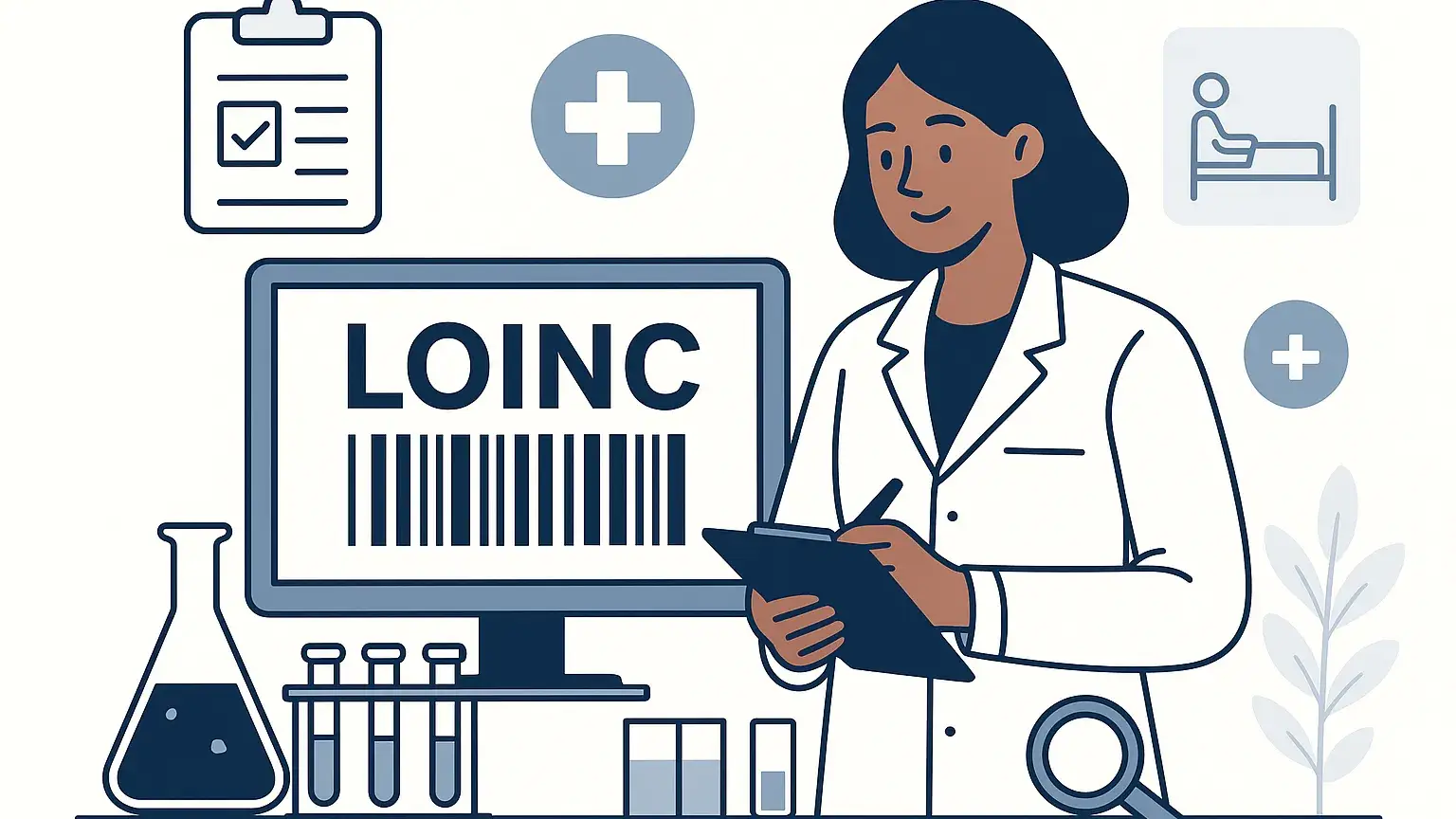
LOINC Data Standard: A common language for lab results
LOINC Data Standard gives every observation a precise, universal code, unifying results across EHRs, LIMS, and analytics for interoperable data.
-
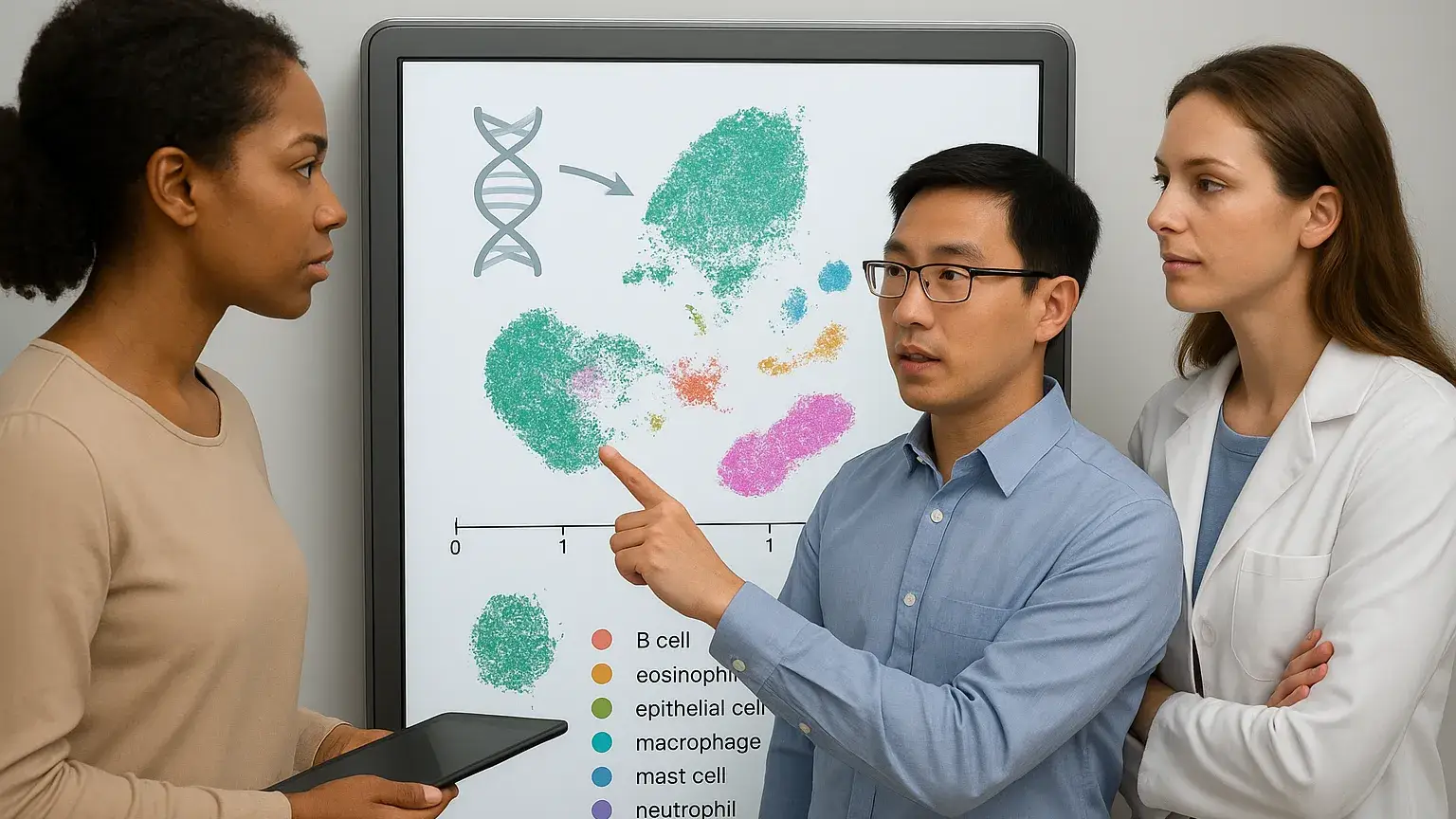
AlphaGenome: 1 Mb context for regulatory predictions
AlphaGenome reads up to 1 Mb of DNA to predict regulatory signals, enabling variant interpretation and enhancer–promoter insights.
-
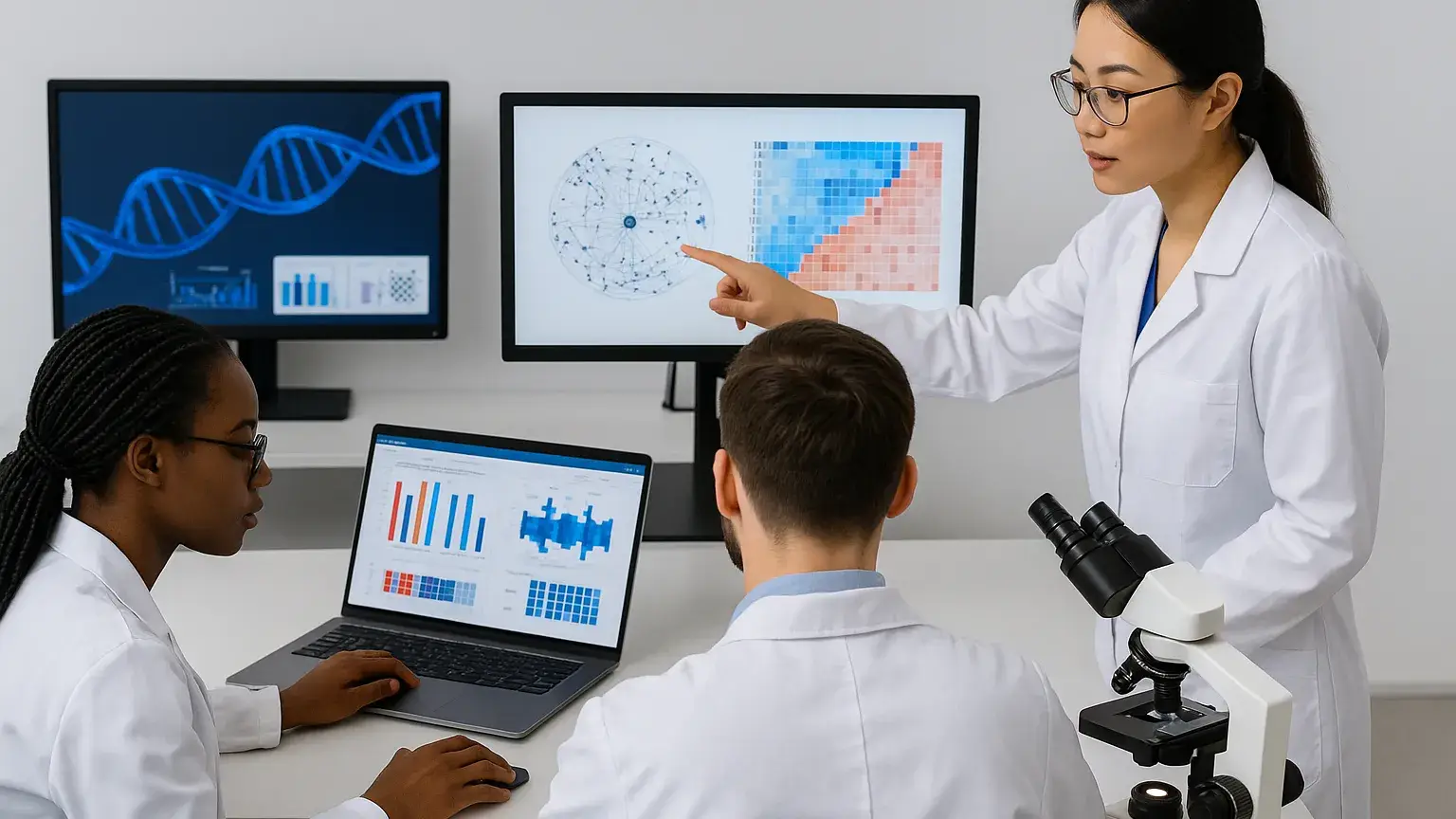
Shiny vs Streamlit for Omics Visualization
Discover how Streamlit and Shiny for Python turn omics visualization from static plots into interactive apps, boosting discovery and collaboration.
-
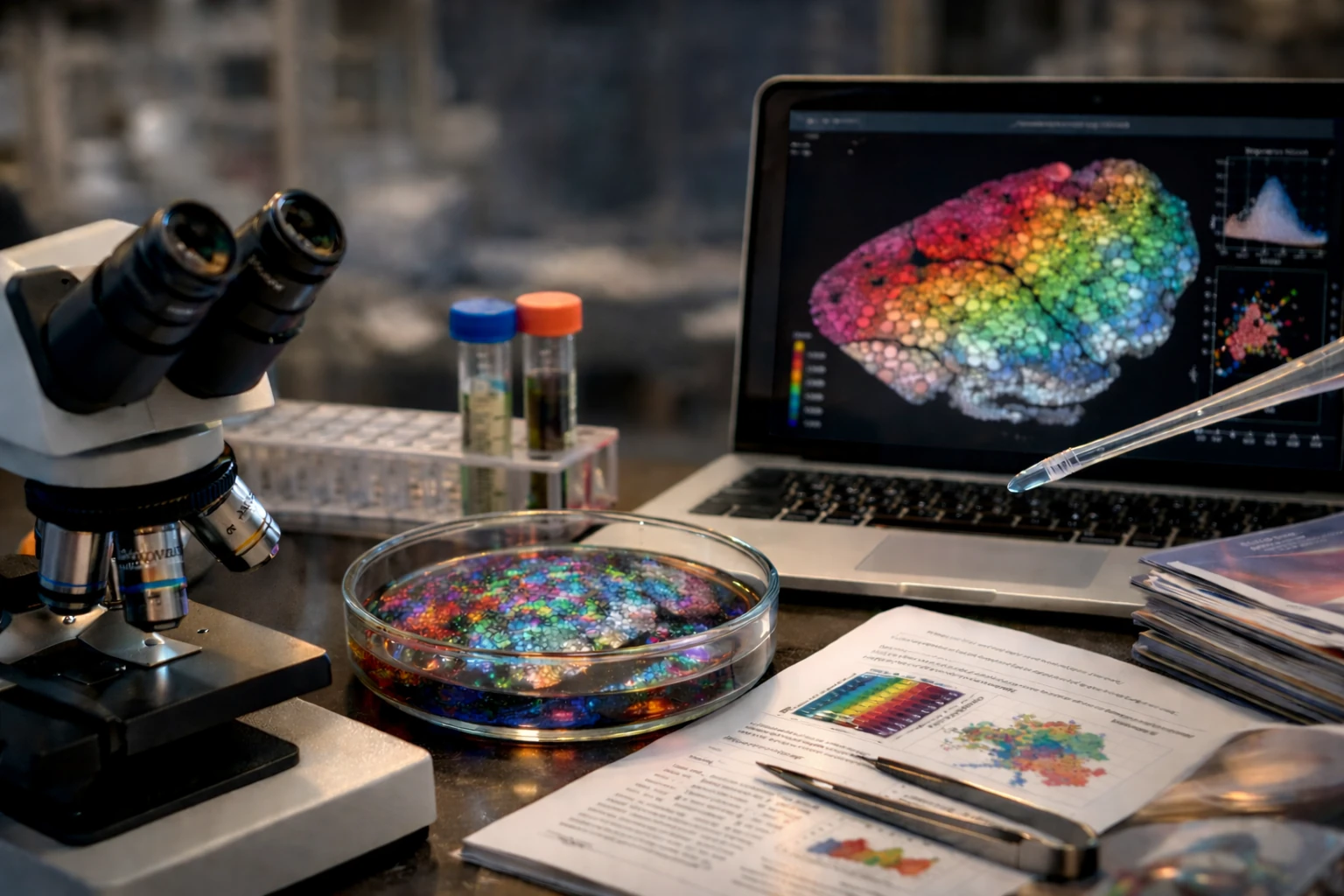
This week’s top spatial transcriptomics papers 🧬 Week 13
Spatial transcriptomics atlas updates across skin, brain, cancer, and regenerative medicine—maps immune niches, cell states, and deconvolution advances.
-

TileDB Arrays for large-scale omics
TileDB Arrays unlock scalable, multimodal omics analysis, delivering faster genomics and single-cell insights, with Databricks accelerating workflows.
-
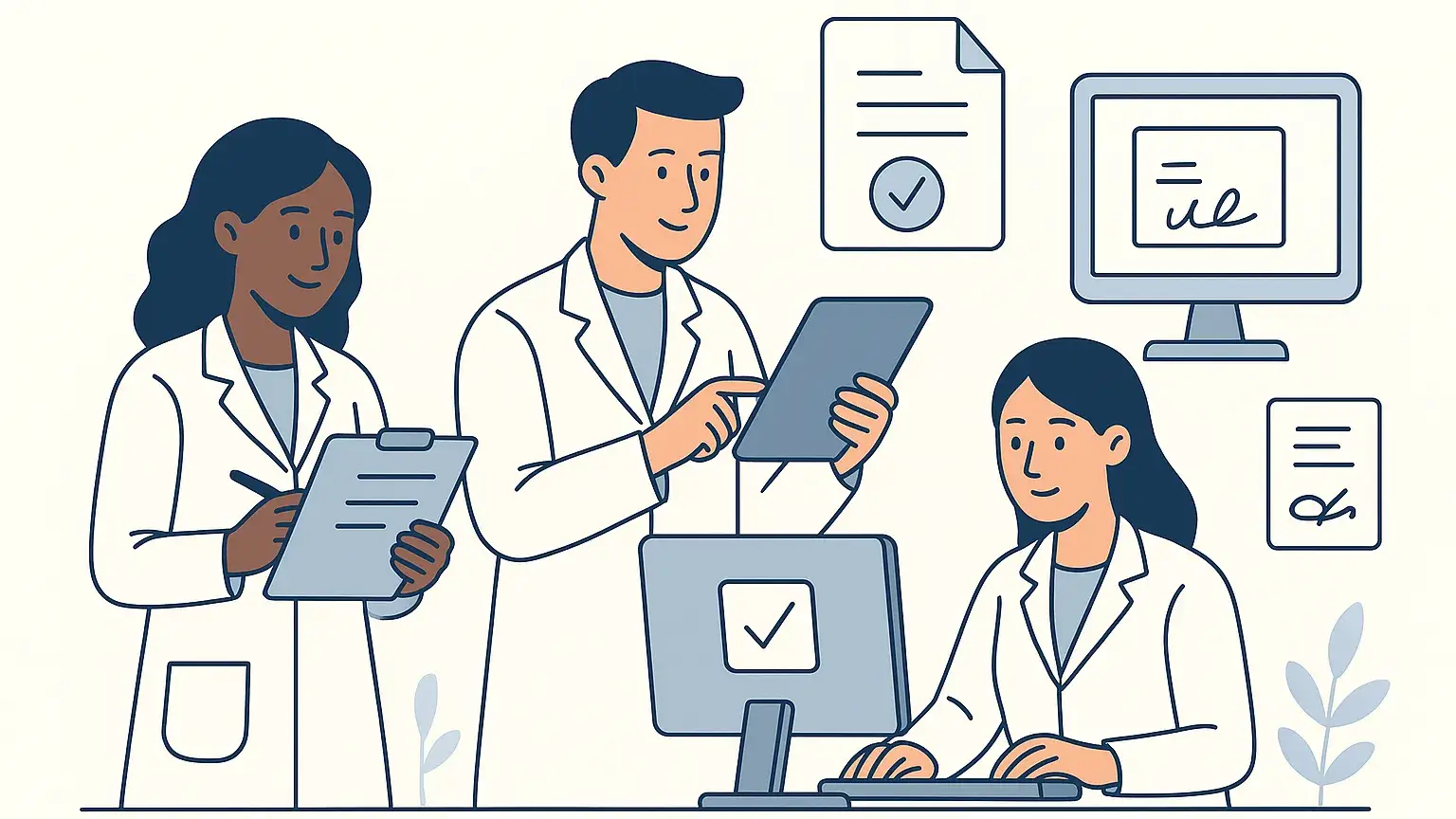
21 CFR Part 11 for the digital lab
By EVOBYTE Your partner for the digital lab If your laboratory is moving from paper to digital, understanding 21 CFR Part…
-
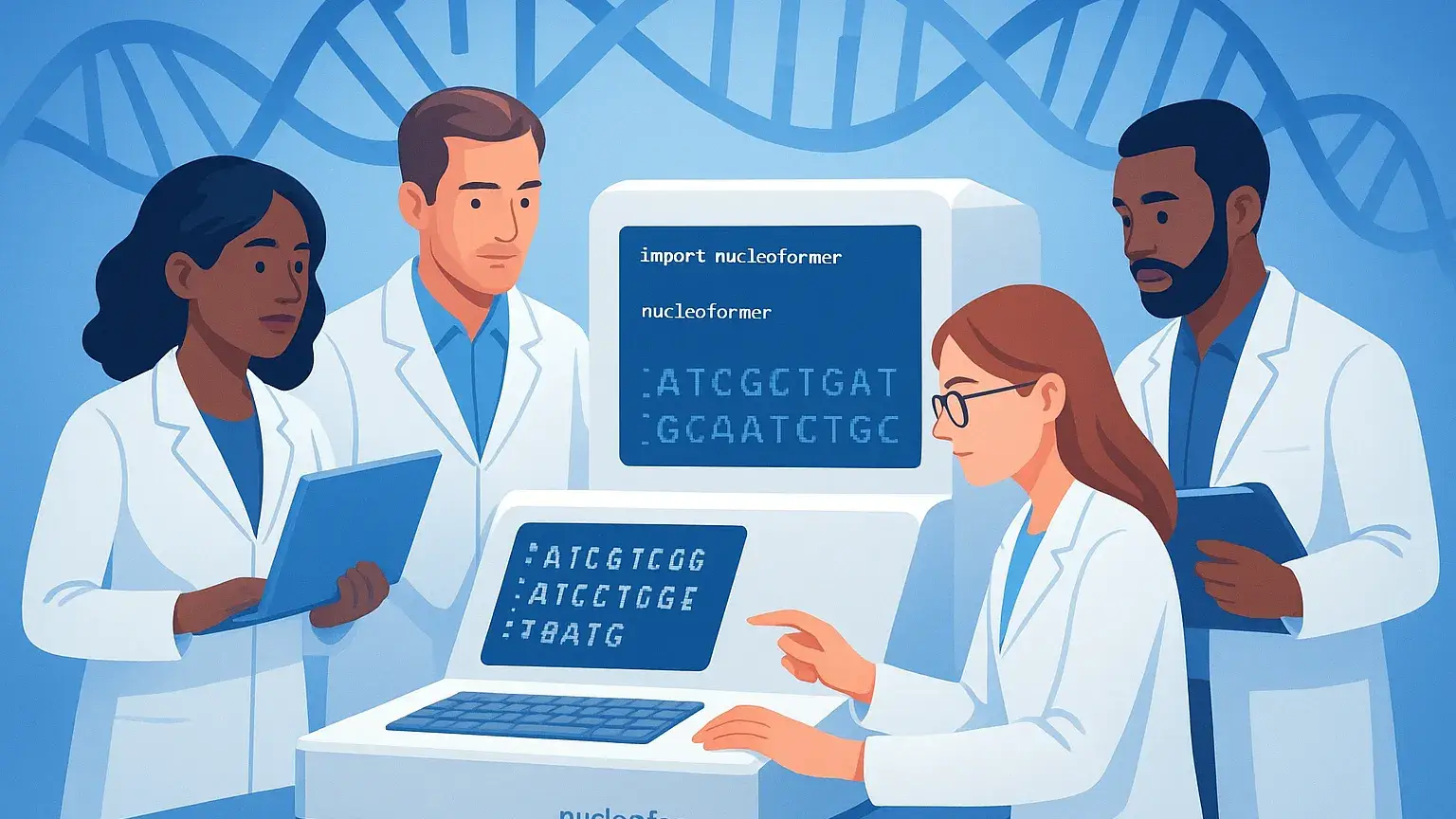
Sequence design with the Nucleotide Transformer
Discover how the Nucleotide Transformer guides sequence design and expression optimization for reliable gene expression.
-
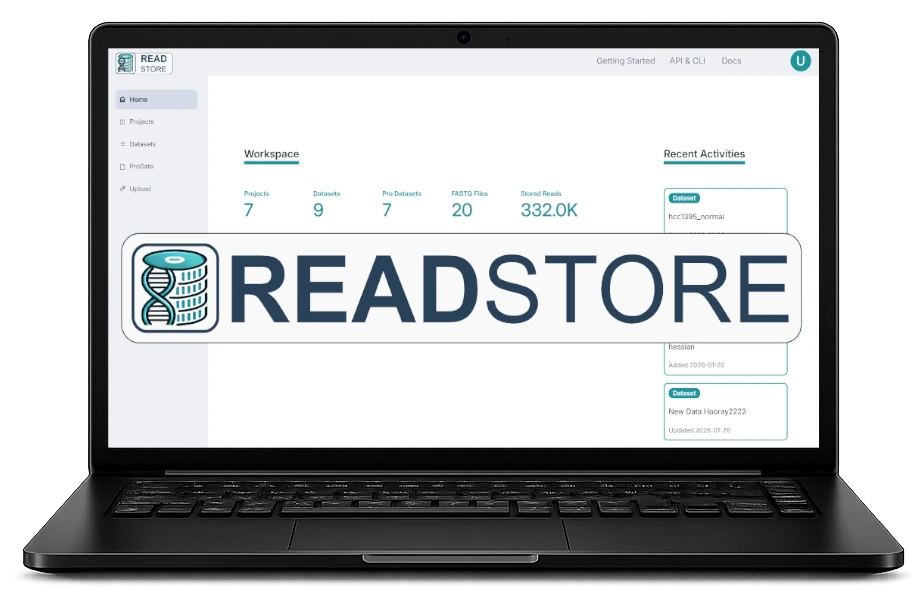
ReadStore NGS database now open source
Our ReadStore database app for managing NGS and Omics data is now available as full open source software.
-
This weeks top spatial transcriptomics paper – Week 12 🧬
Glioblastoma invasion decoded by single-cell and spatial omics, linking cell states, invasion routes, and brain microenvironments to targeted therapies.