
-
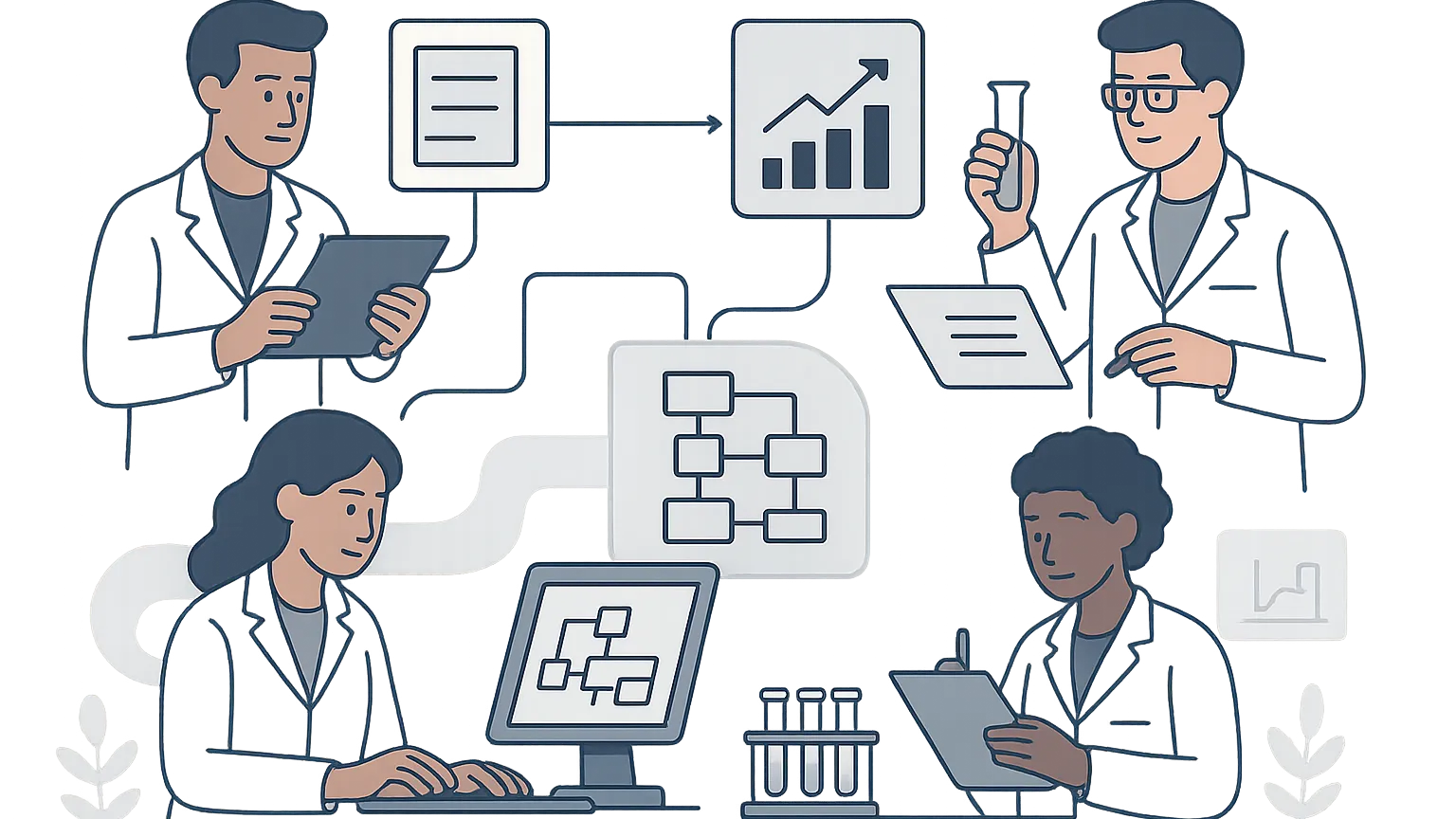
AI-Ready Data in Lab Models: Metadata for Analytics
Turn messy lab records into machine-usable objects with AI-ready data, robust Lab Data Models, metadata, and provenance for faster analytics and automation.
-
Databricks Professional Certification
The Databricks platform is gaining increasing popularity in the last years a go-to solution combining flexible data management and AI cpabilities.…
-
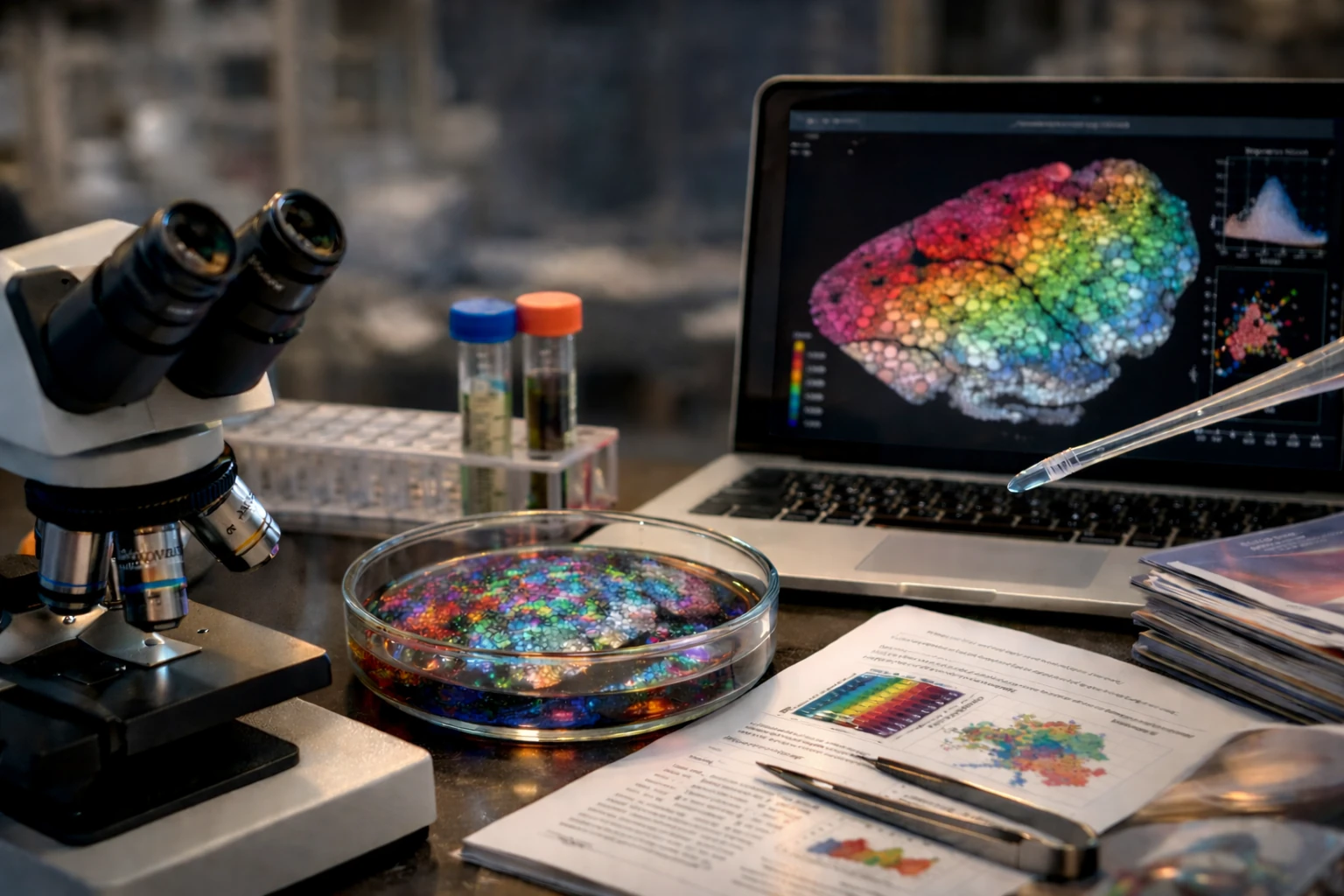
This weeks top spatial transcriptomics paper 🧬 Week 16
Spatial transcriptomics reveal gradient-based primate cortex organization and a human SCN atlas; RESCUE boosts spatial omics across brain, cancer, and liver.
-

AI-Ready Metadata: The Minimum Context for Search
In an AI-Ready Laboratory, metadata is the backbone that makes results searchable, reusable, and ready for analytics.
-
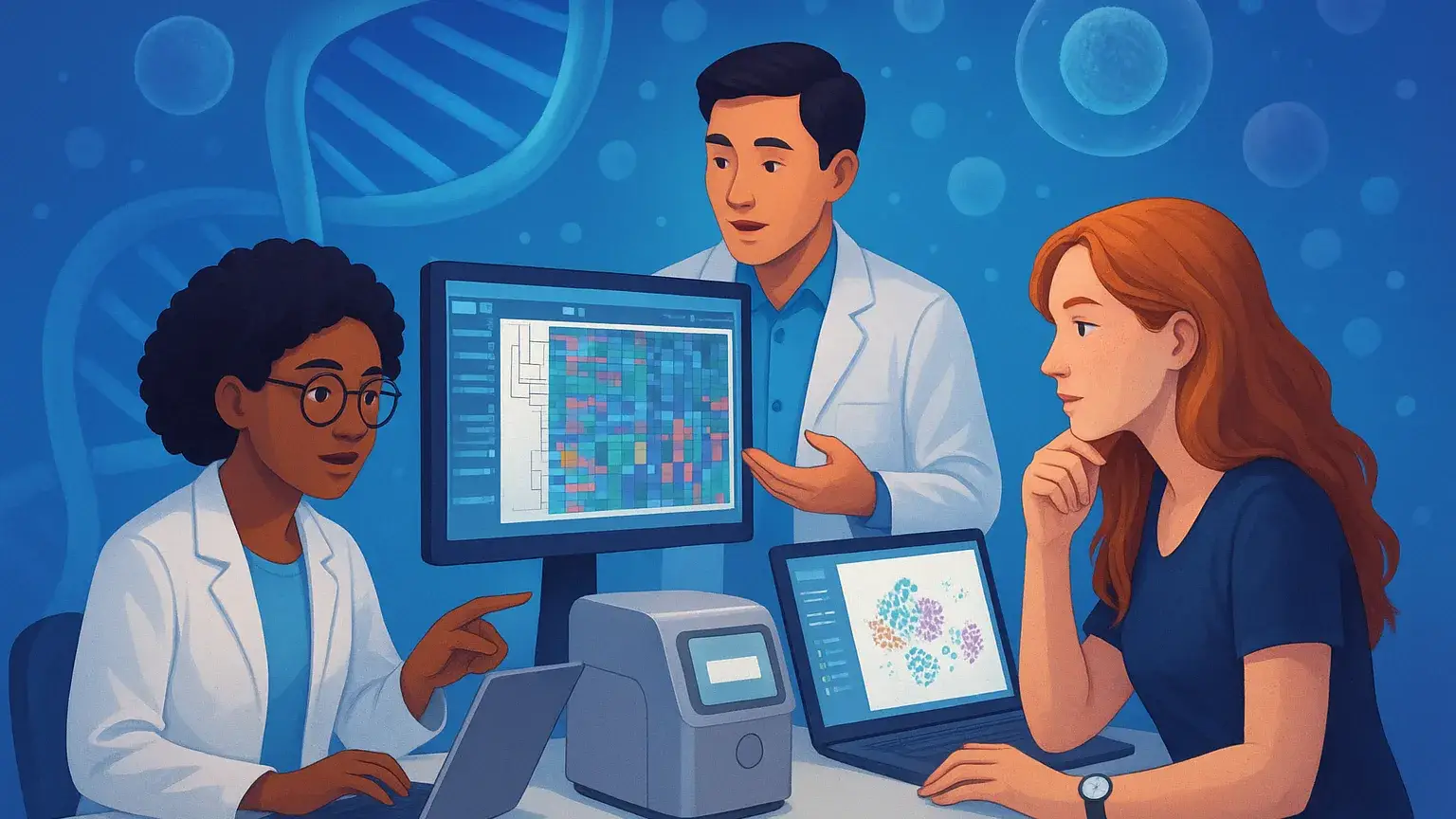
Single-Cell Genomics: Atlas Mapping vs De Novo Analysis
Compare atlas mapping, label transfer, de novo analysis, and transfer learning in single-cell genomics for speed, bias, and discovery.
-

Single-Cell Proteomics for Data Scientists: Structures & QC
Single-cell proteomics (SCP) explains data structures, QC, and missingness in DIA/DDA workflows, showing how proteins complement scRNA-seq analyses.
-
This week’s top spatial transcriptomics papers 🧬 Week 15
Single-cell and spatial analyses map the maternal–fetal interface, placentation, and immune tolerance, linking genetics to pregnancy health and disease.
-
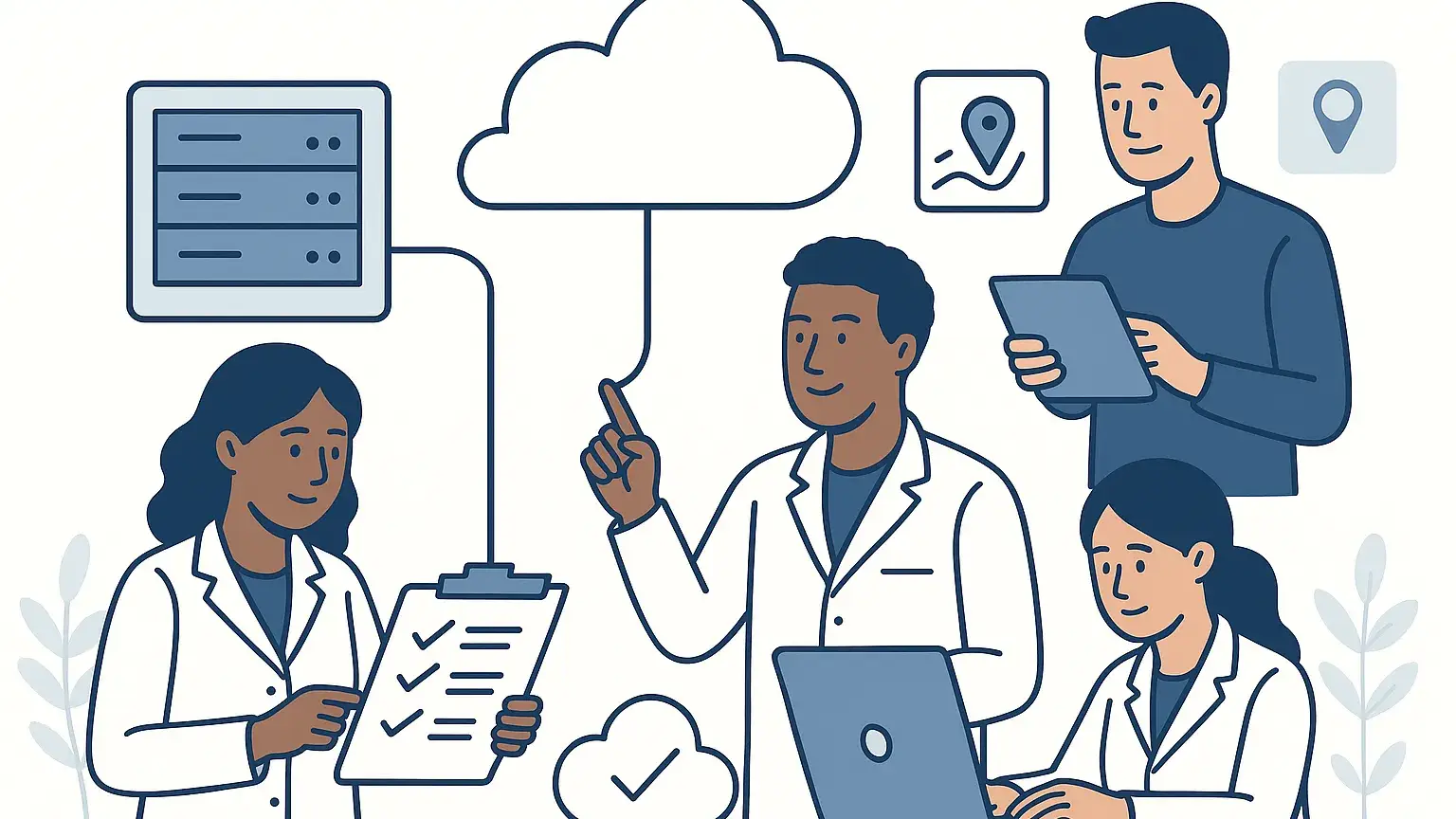
Cloud LIMS: lower costs, faster deployment, multi-site
Cloud LIMS shifts labs to the cloud, cutting costs, accelerating rollouts, and enabling secure, multi-site collaboration with solid data privacy and…
-

Deploying AlphaFold on AWS cloud infrastructure
Moving AlphaFold to AWS changes the experience: provision the right GPU, keep terabytes of databases warm, and scale from a single…
-

MLflow for Bioscience: Reproducible machine learning
MLflow brings reproducible machine learning to bioscience, with experiment tracking, artifacts, and a model registry you can use from your laptop.