
-
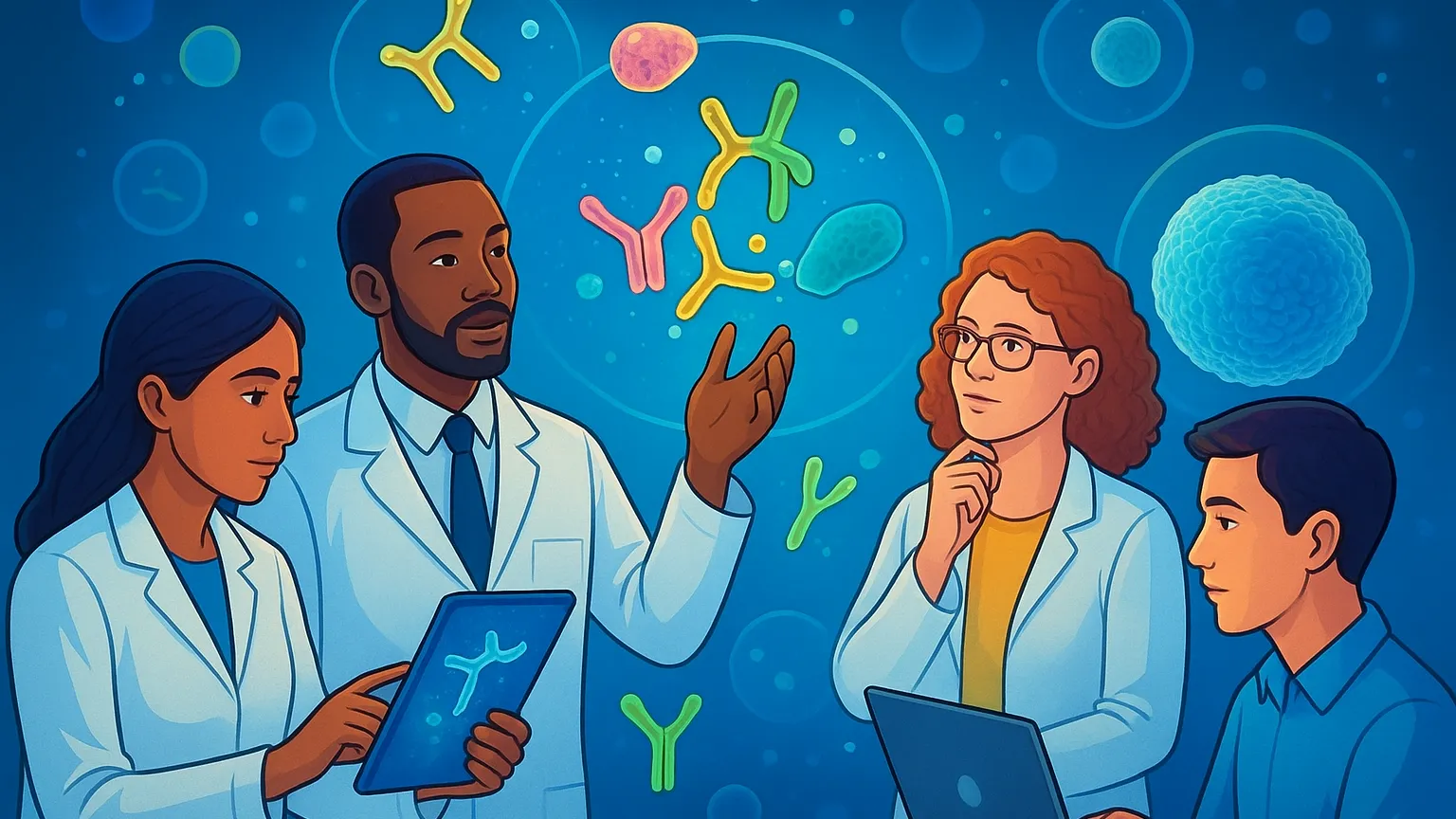
Predicting Antigen‑Specific T Cells: Tools, Data
Predicting TCR specificity blends sequence, structure, and ML to guide immuno-oncology and vaccine design, with pMHC–TCR modeling and off-target risk checks.
-
LangChain FastAPI Streaming Tutorial
Learn to serve a LangChain Deep Agent as a FastAPI HTTP service with JSON and SSE streaming via a single /agent…
-
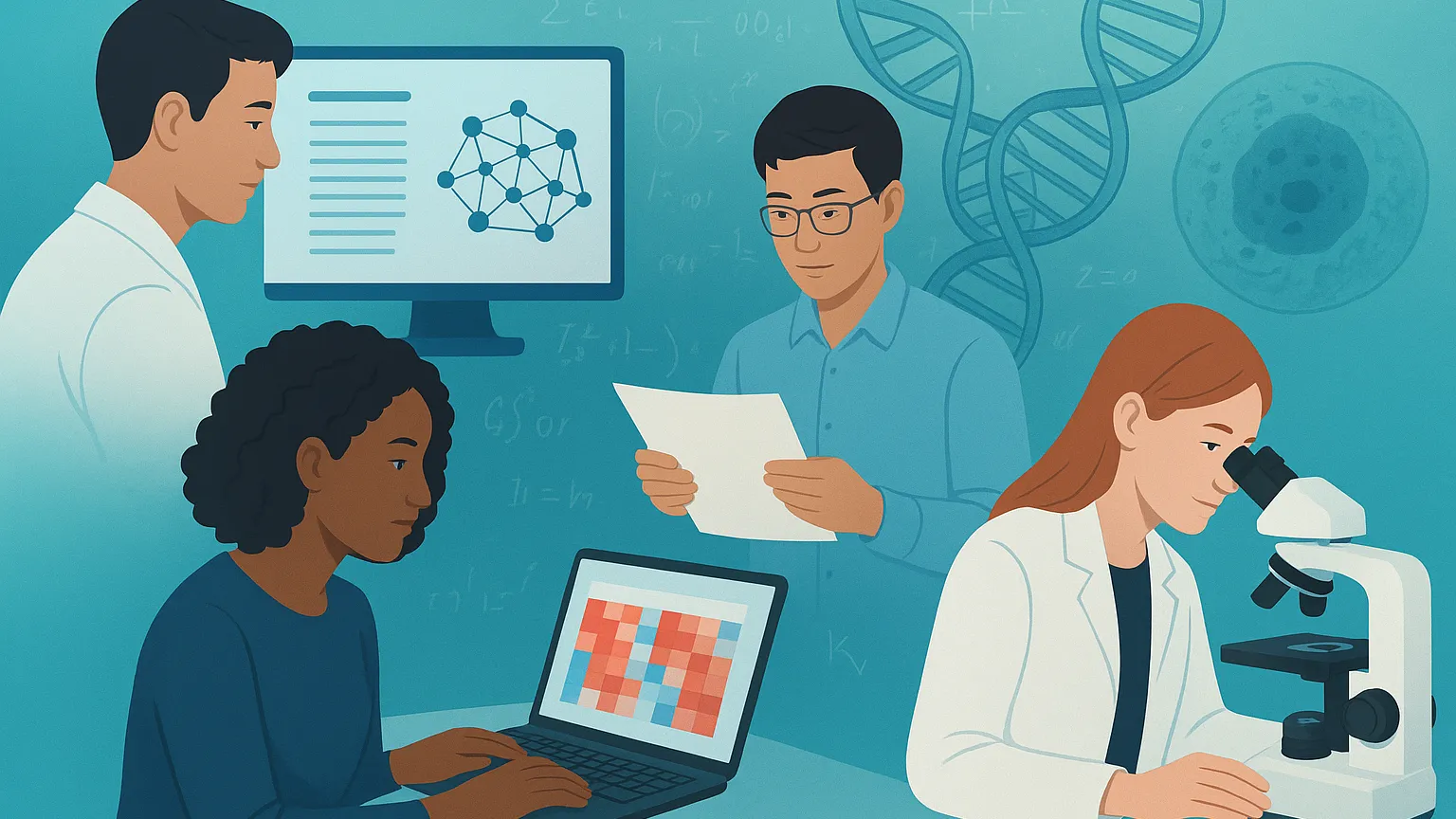
Paper2Agent: How MCP Turns Static Papers into Tools
Paper2Agent turns assets into callable tools using the Model Context Protocol (MCP), transforming figures, code, and data into reproducible workflows.
-
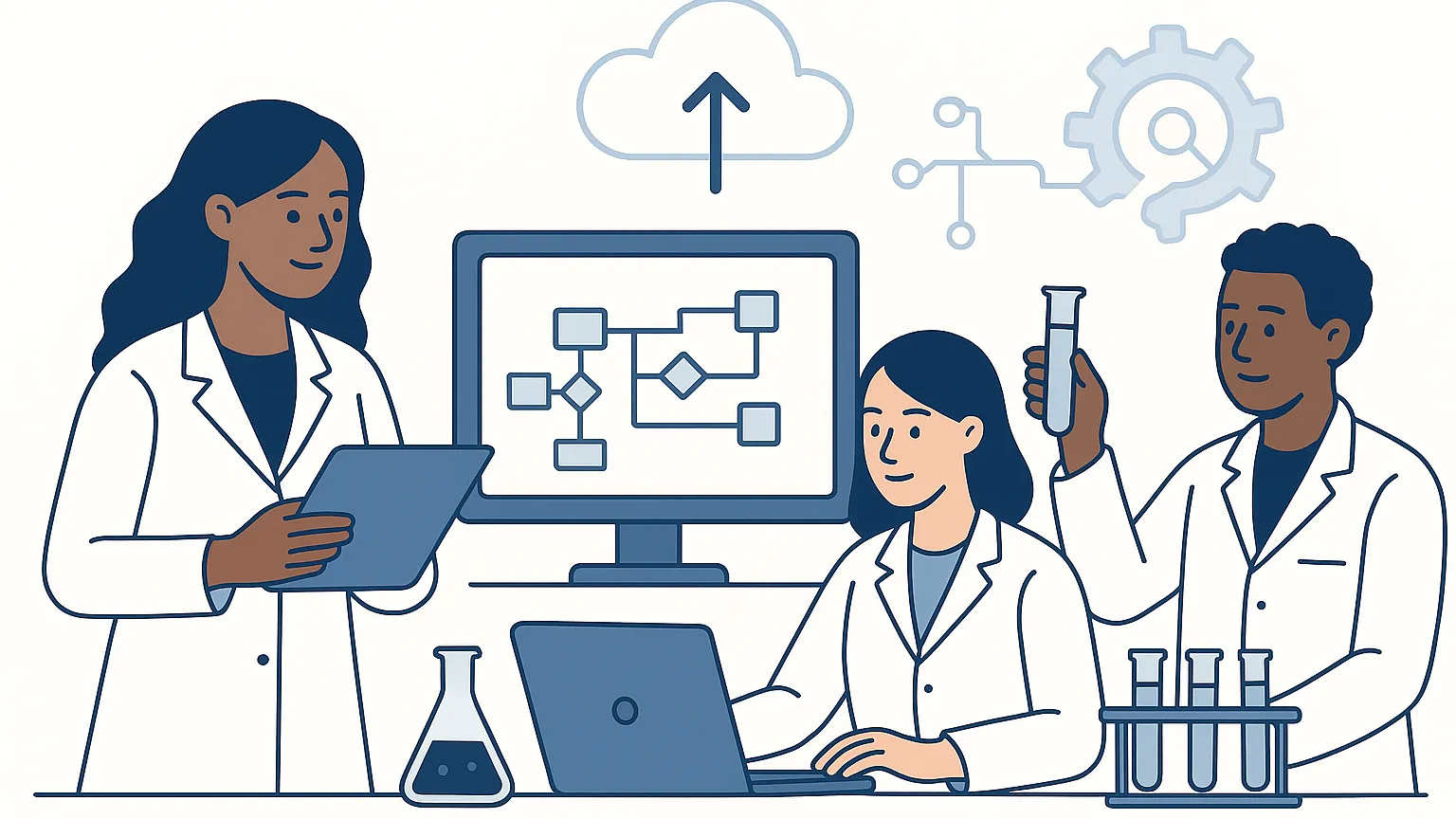
From Device Silos to AI-Labs: Lab Automation Standards
Standards-based Lab Automation unifies instrument data and enables AI orchestration across labs.
-
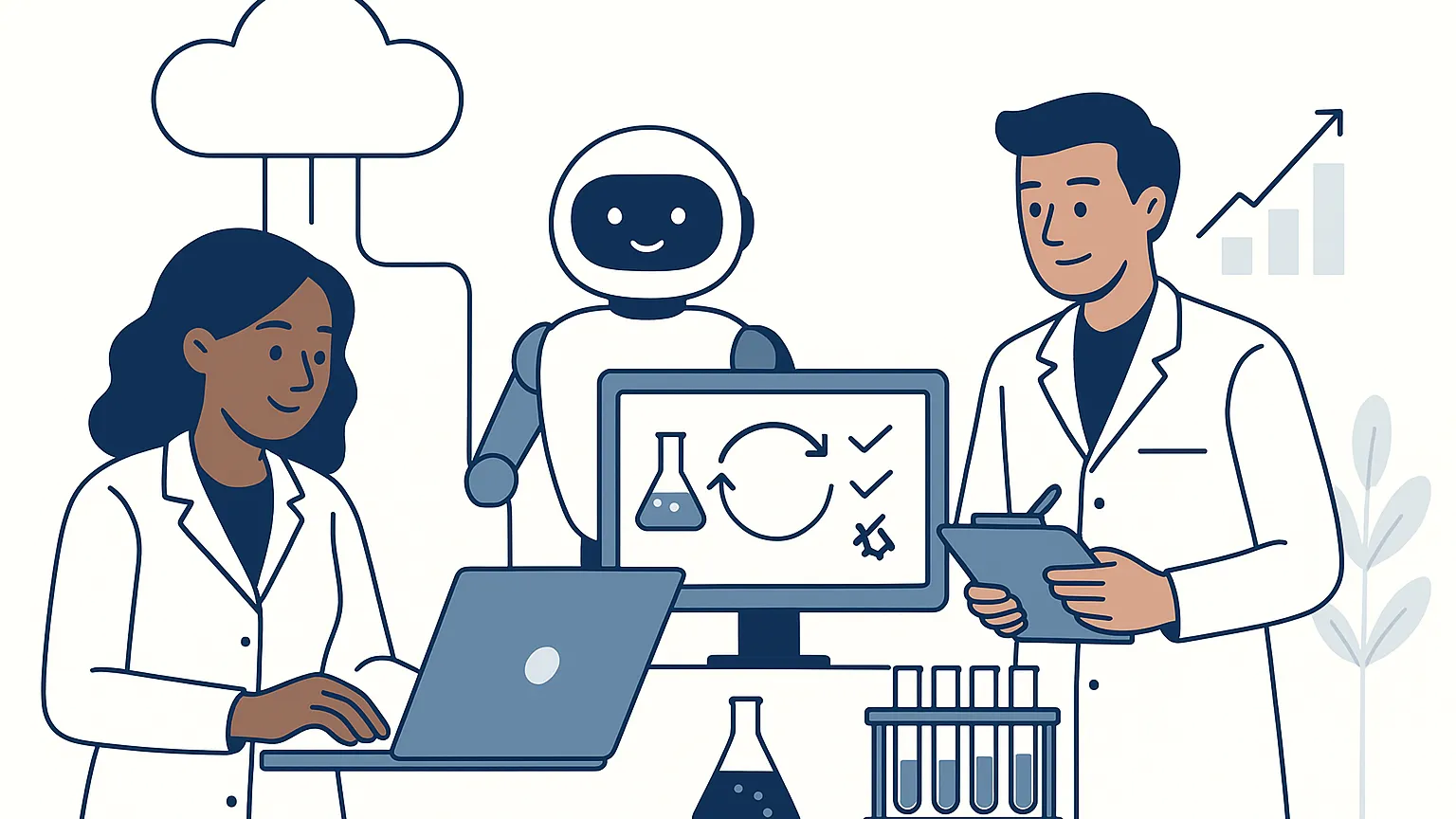
Robin Agent for Autonomous Experiments
Robin Agent for Autonomous Experiment Execution automates literature review and hypothesis generation, enabling AI-driven scientific discovery and agents.
-
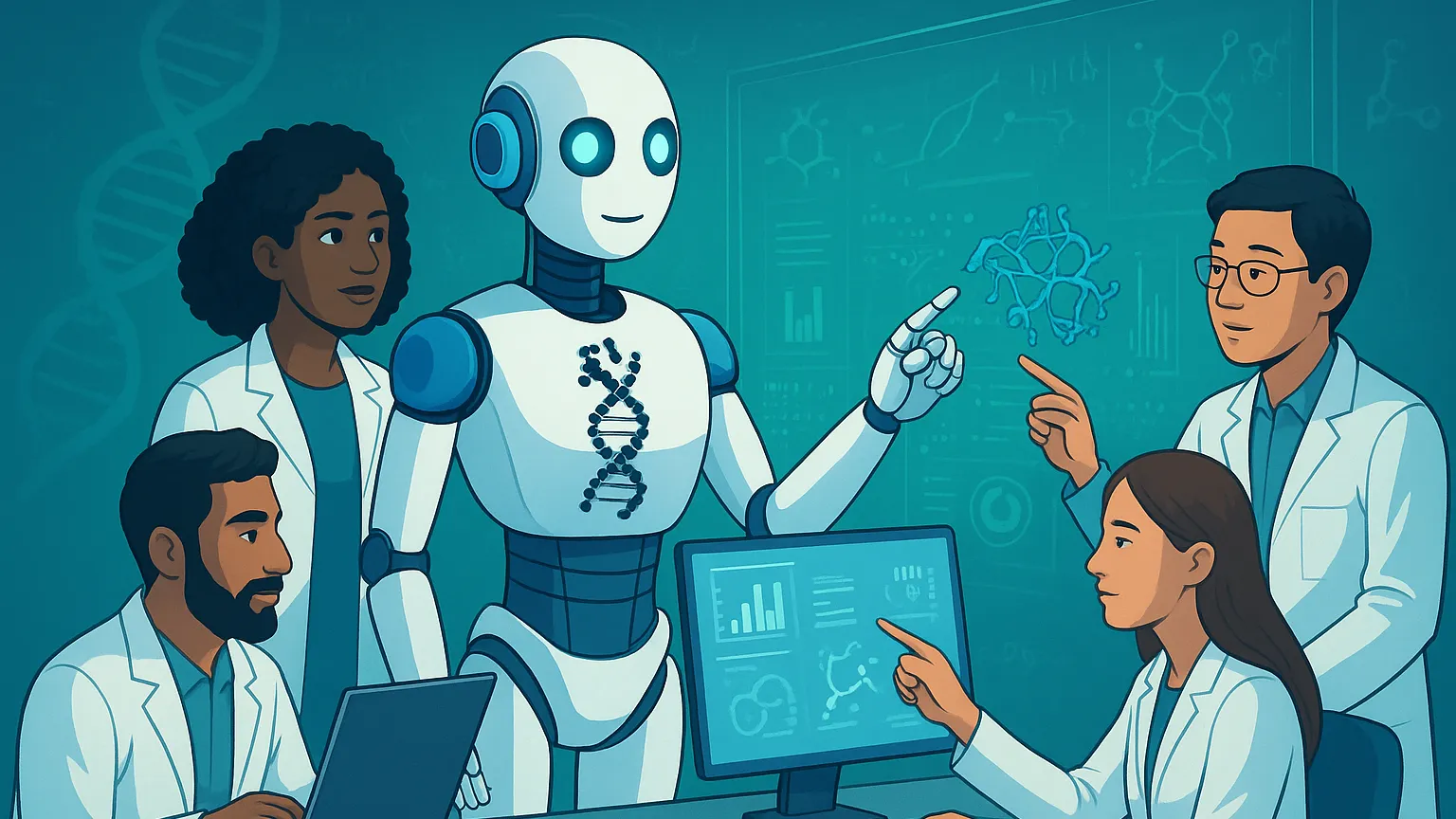
Meet BioMNI: AI Agent for Computational Biology, Nextflow
BioMNI is an AI agent for computational biology that uses LLMs and tools to search databases, orchestrate Nextflow workflows, and deliver…
-
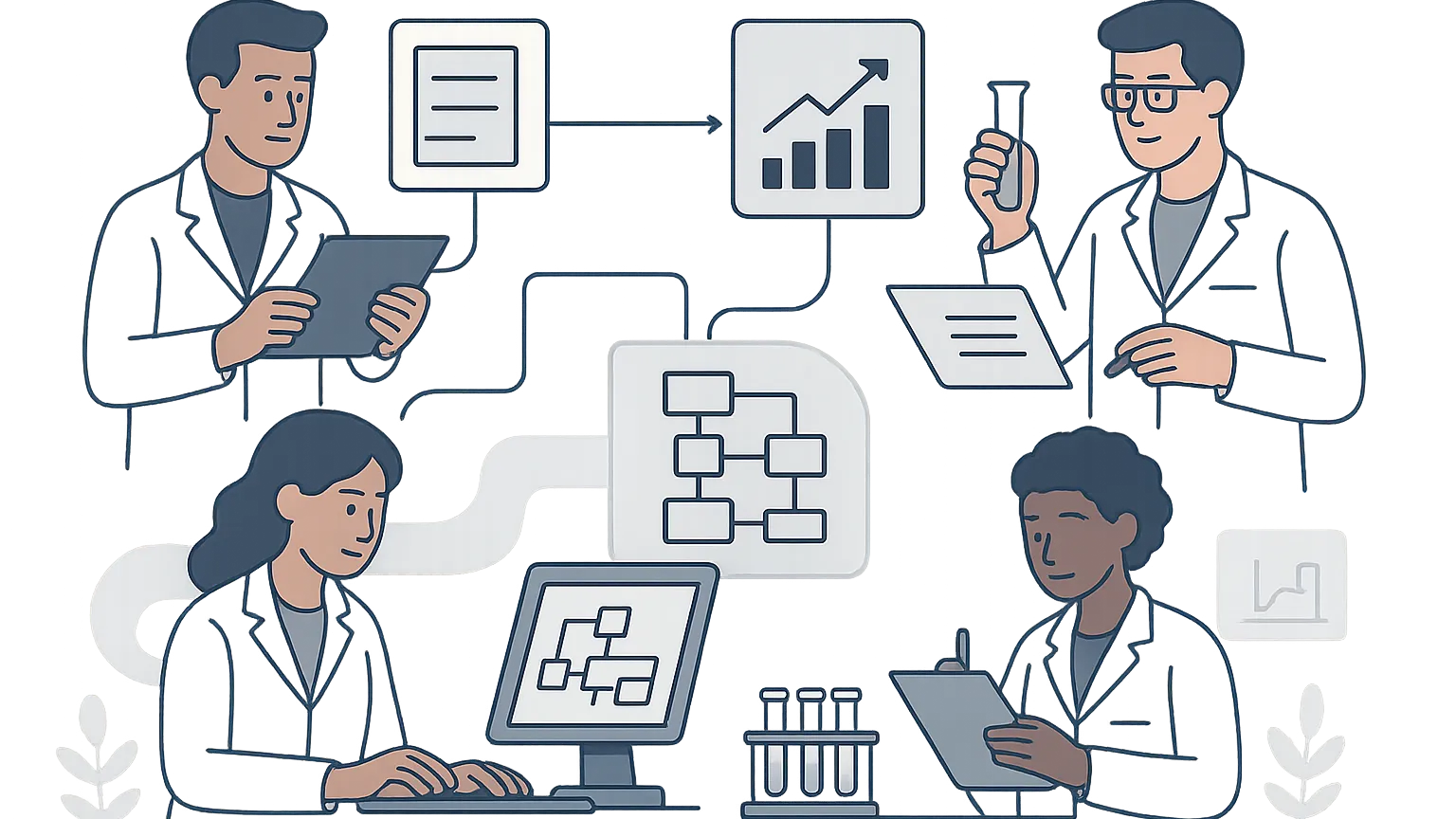
AI-Ready Data in Lab Models: Metadata for Analytics
Turn messy lab records into machine-usable objects with AI-ready data, robust Lab Data Models, metadata, and provenance for faster analytics and…
-

Foundation Models for Biology: Quantization and Compression
Explore how quantization, weight-only methods, and PEFT unlock resource-efficient biology foundation models for single-cell and network AI on modest GPUs.
-
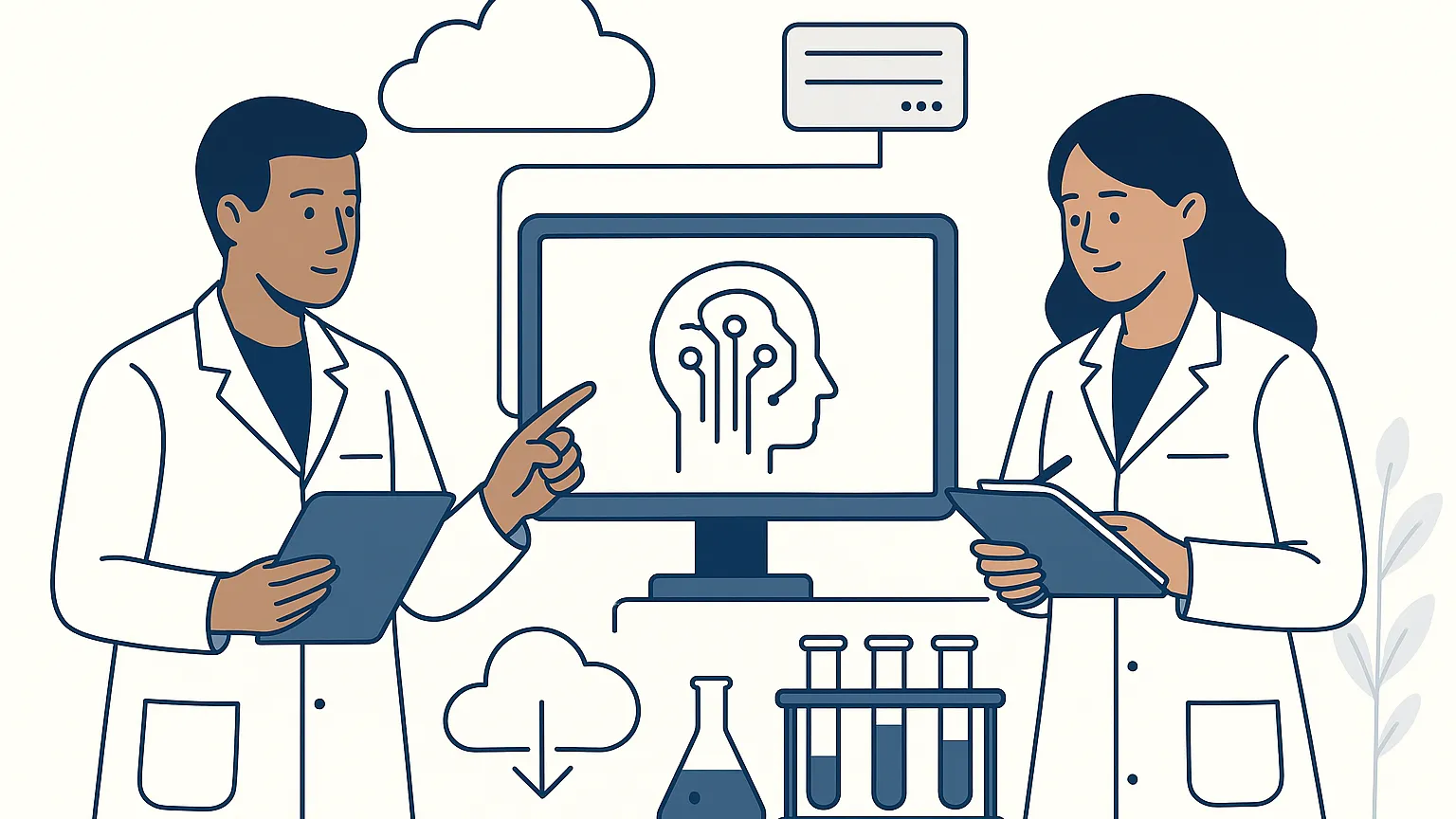
Feeding Lab Protocols to AI With Private Knowledge Base
Private knowledge bases enable RAG in labs, letting AI answer protocol questions using your own documents while preserving data security and…
-
MLflow Gradient Boosting Tutorial
Learn how MLflow enhances gradient boosting for tabular data with experiment tracking, model registry, champion/challenger aliases, and stable deployment.