
-
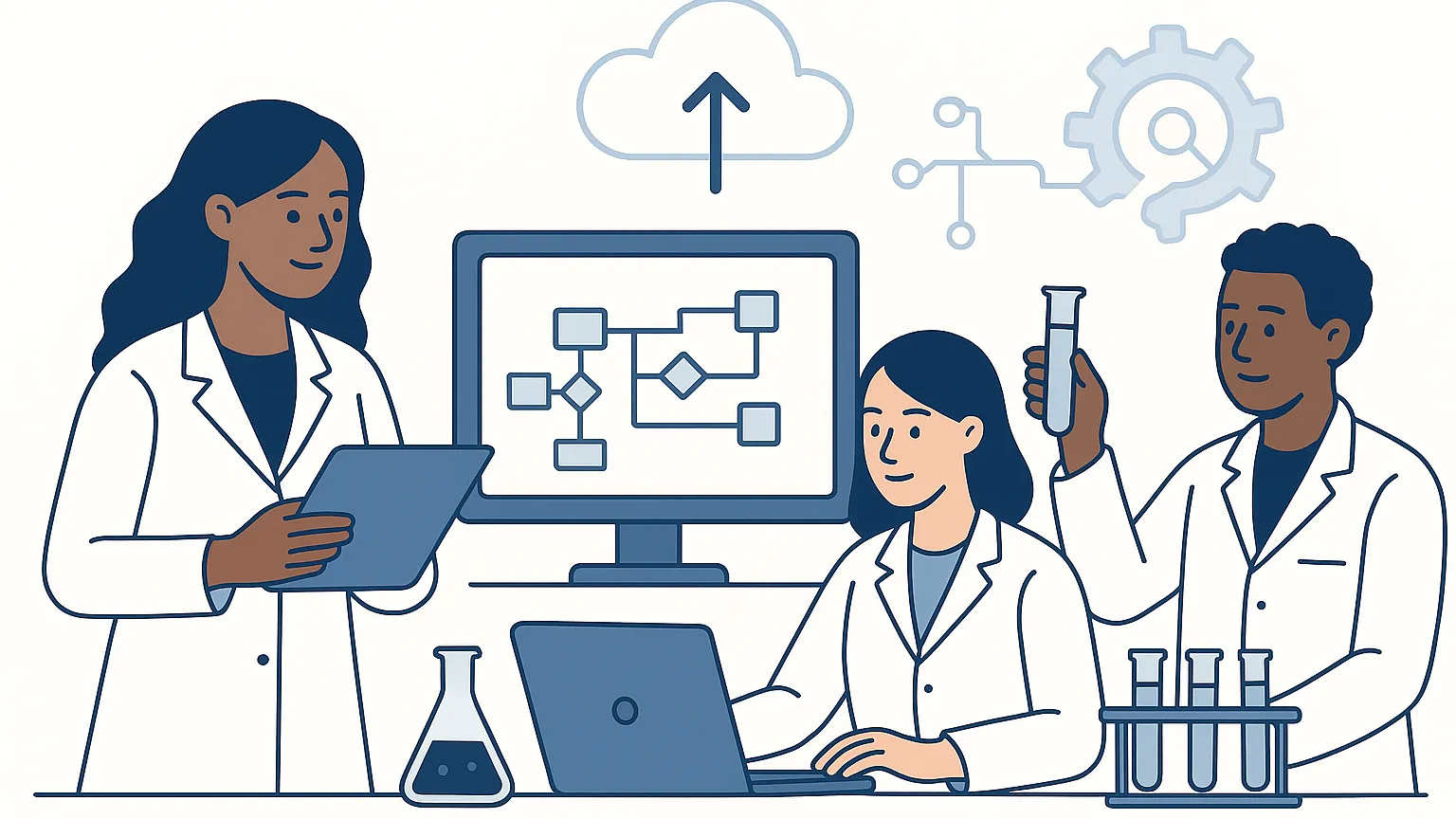
From Device Silos to AI-Labs: Lab Automation Standards
Standards-based Lab Automation unifies instrument data and enables AI orchestration across labs.
-
Scanpy scRNA-seq Normalization
In Scanpy, normalize scRNA-seq data to make cells comparable, improving HVG selection, PCA, clustering, and marker detection.
-
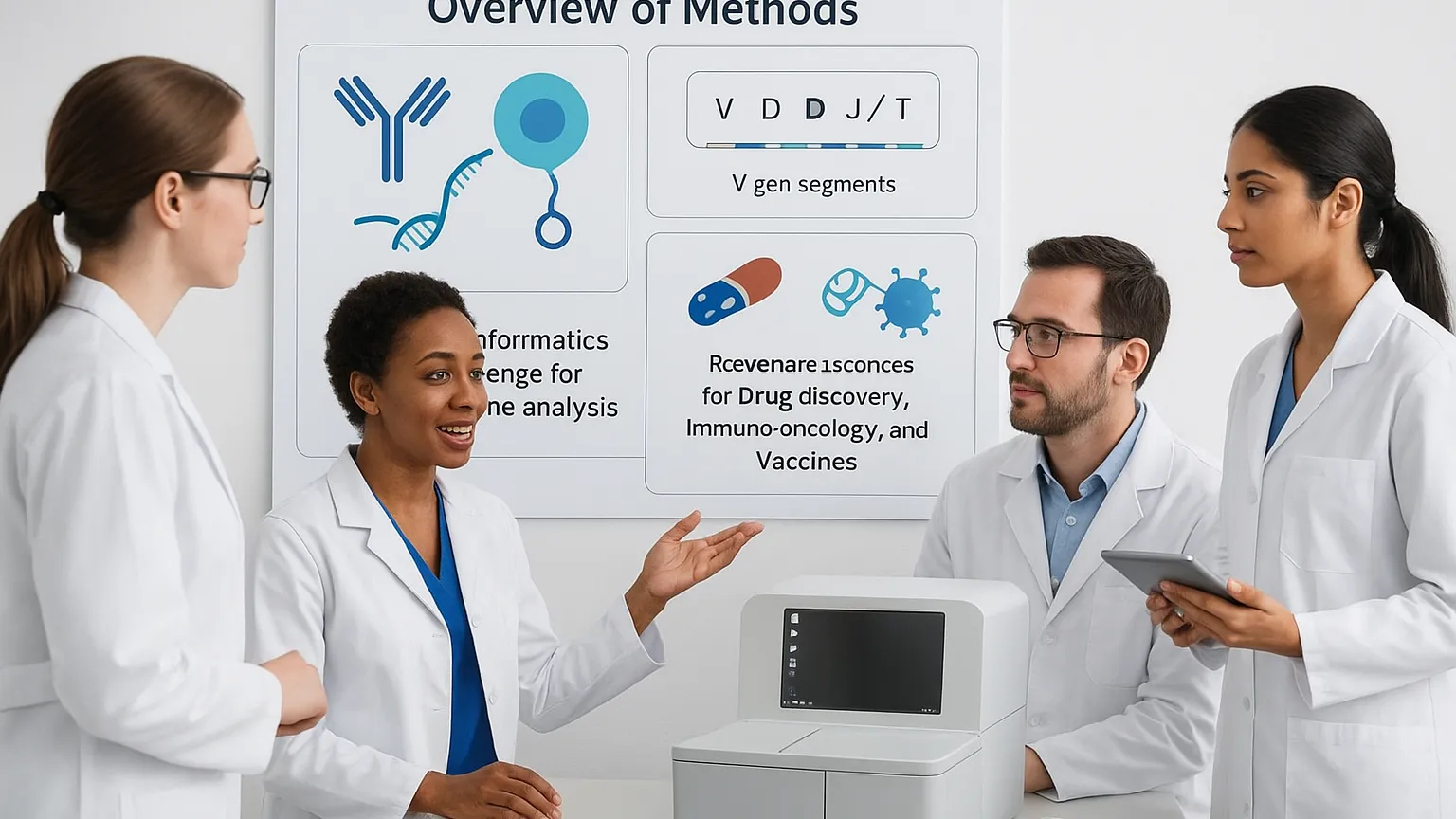
Immuno Receptor Sequencing: TCR/BCR Basics & NGS Methods
Explore AIRR-seq and how TCR/BCR profiling with NGS informs drug discovery, immuno-oncology, and vaccine development.
-
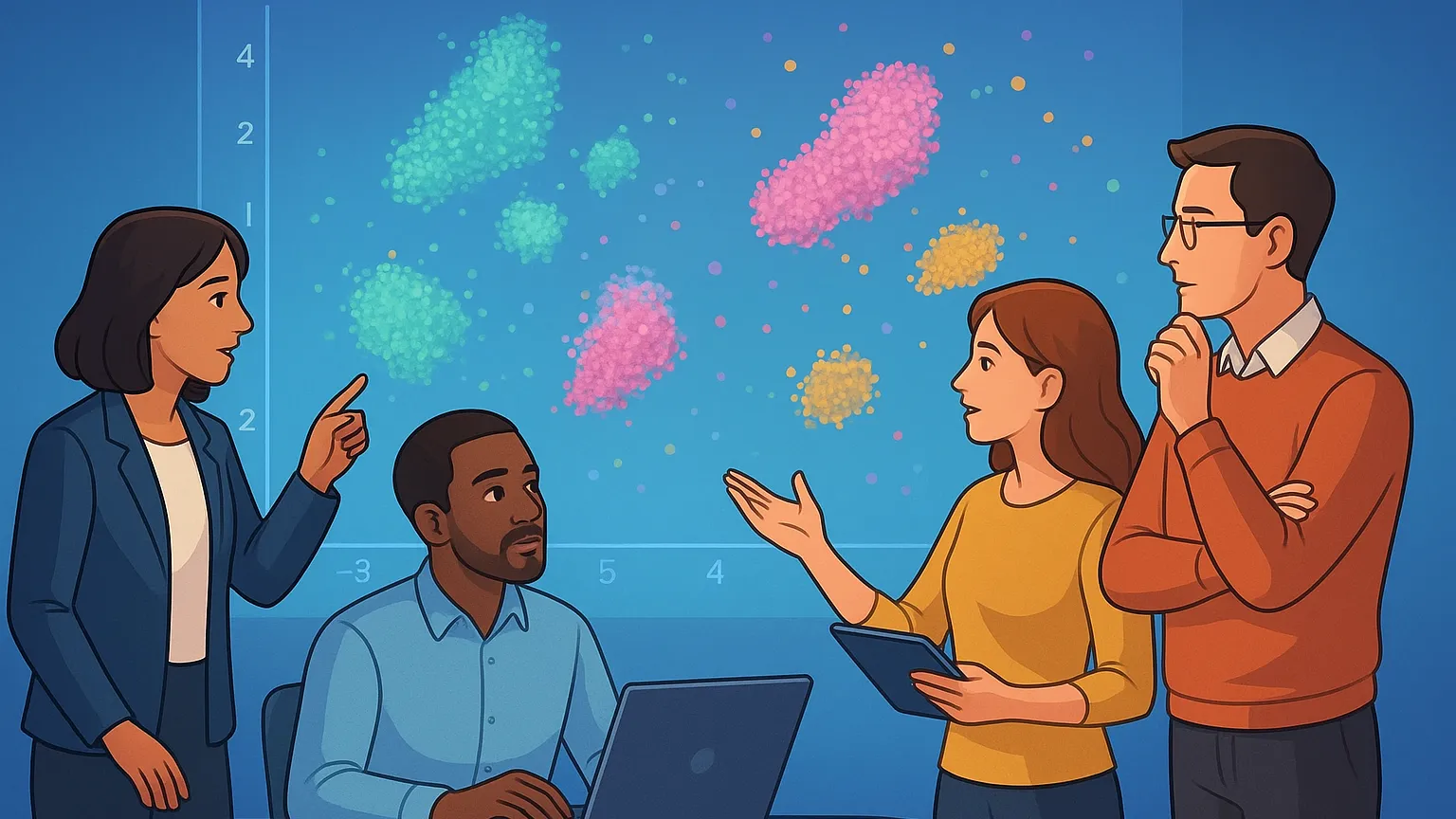
FACS Clustering in Python
High-dimensional FACS data reveal subtle immune cell populations that gating can miss; unsupervised clustering uncovers structure and tracks population shifts.
-
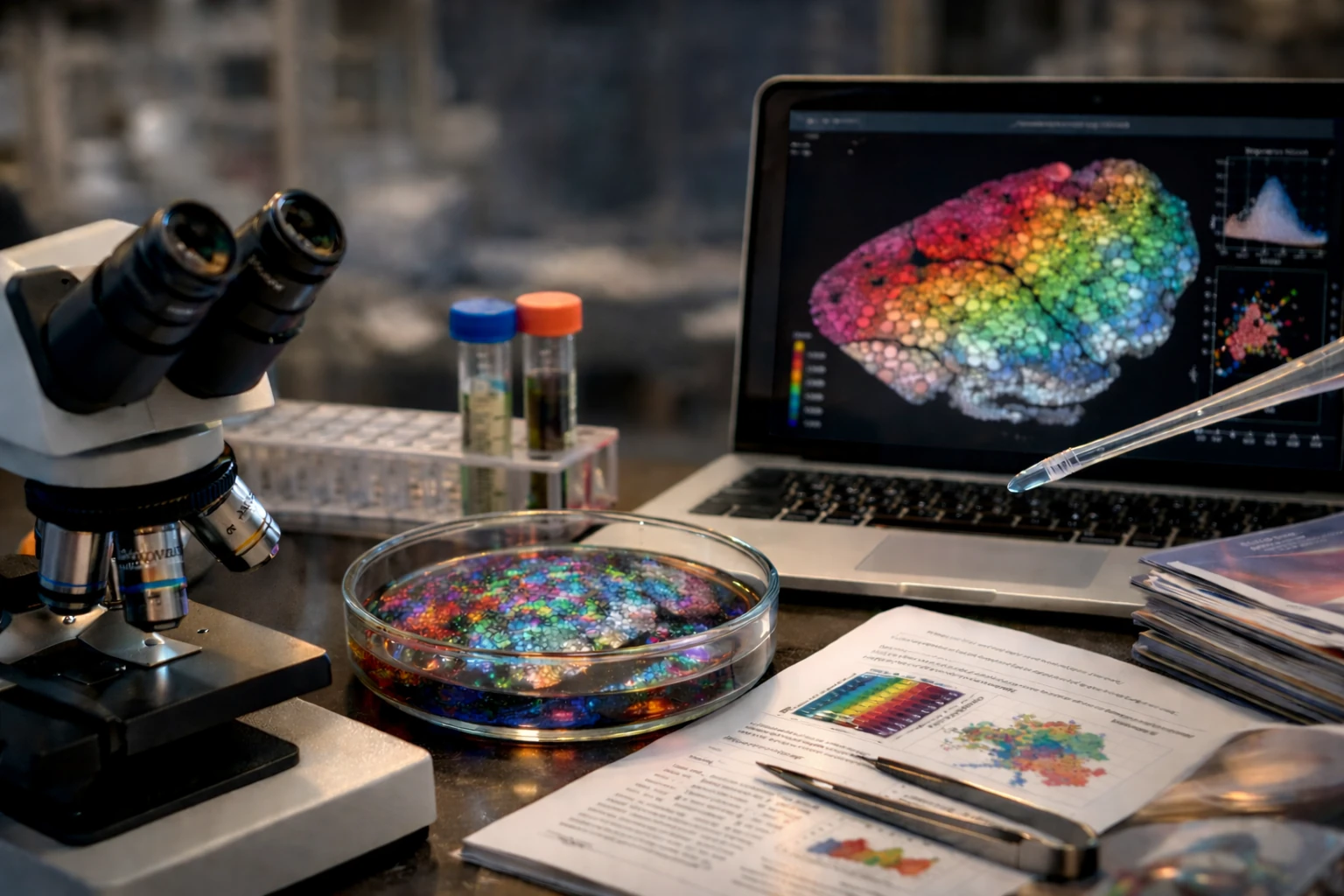
This week’s top spatial transcriptomics papers 🧬 Week 22
Spatial transcriptomics advances: SPAC-seq and BRIDGE link CRISPR perturbations to tissue context and therapy response in cancer and neurobiology.
-
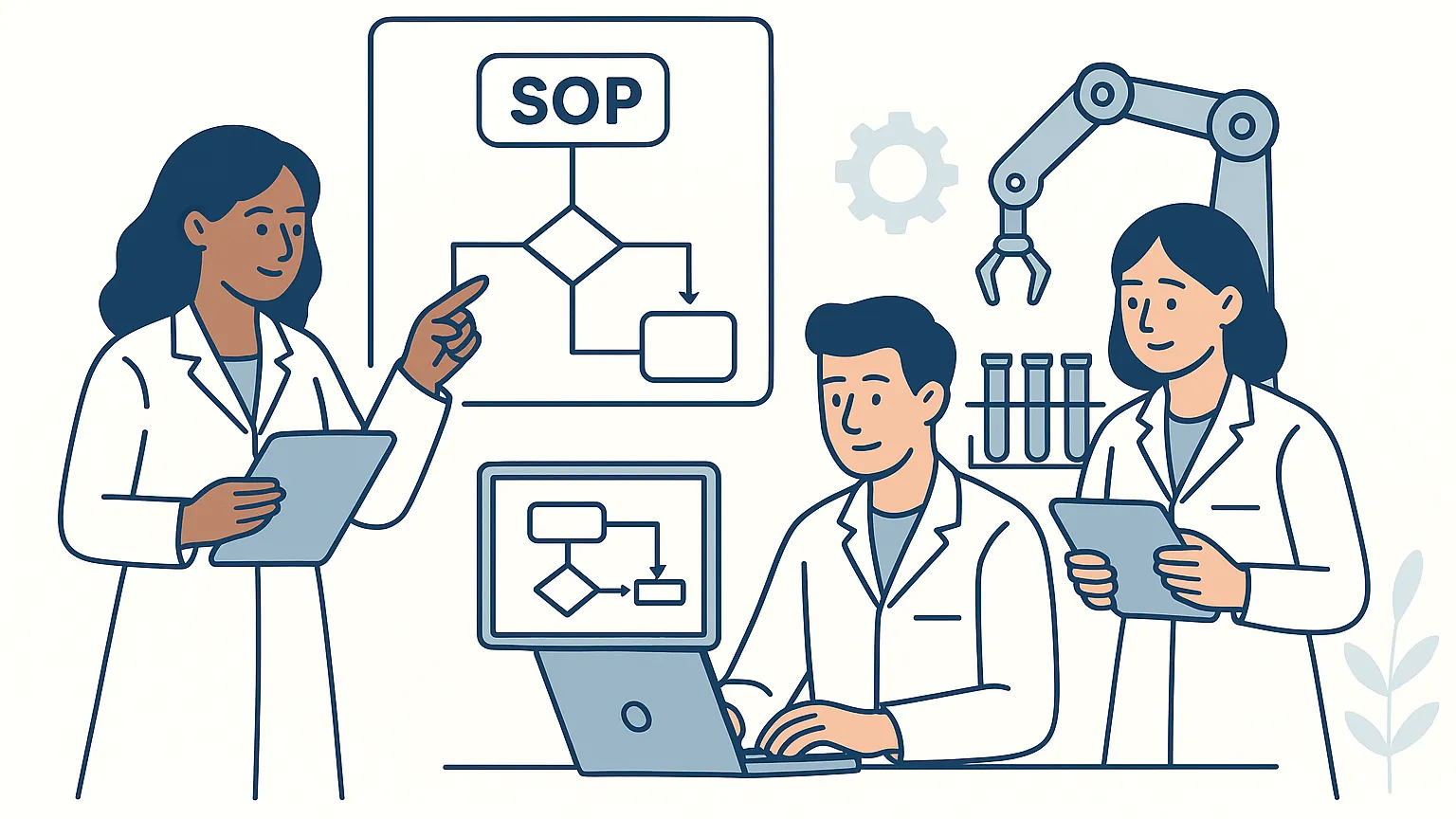
From SOPs to Executable Workflows: Lab Automation Roadmap
Turn SOPs into executable workflows to boost reproducibility and streamline Tech Transfer with lab automation.
-
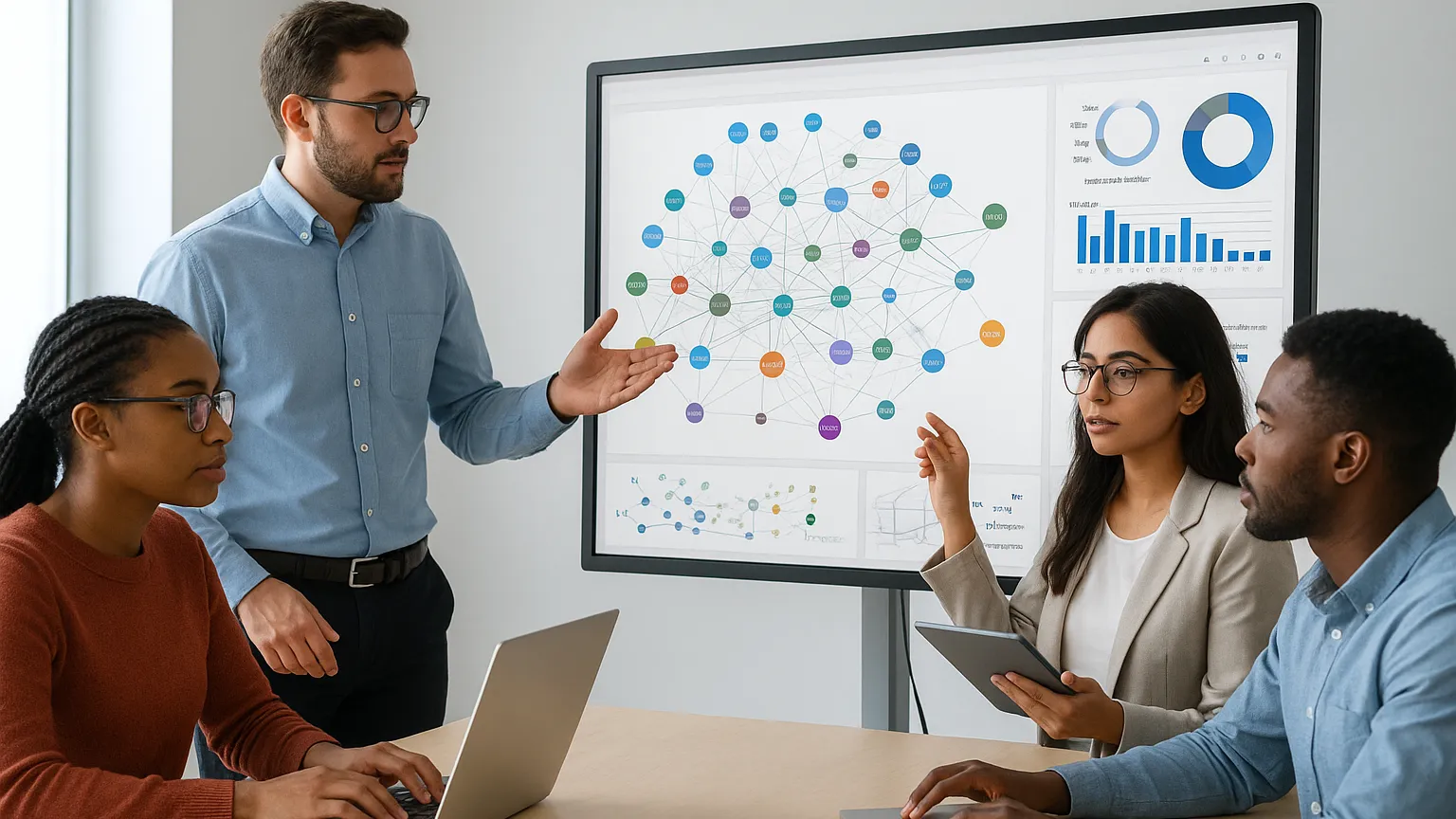
Biological Knowledge Graphs for Drug Discovery
Biological knowledge graphs unify genes, pathways, phenotypes, and literature into an explainable view to accelerate drug discovery.
-
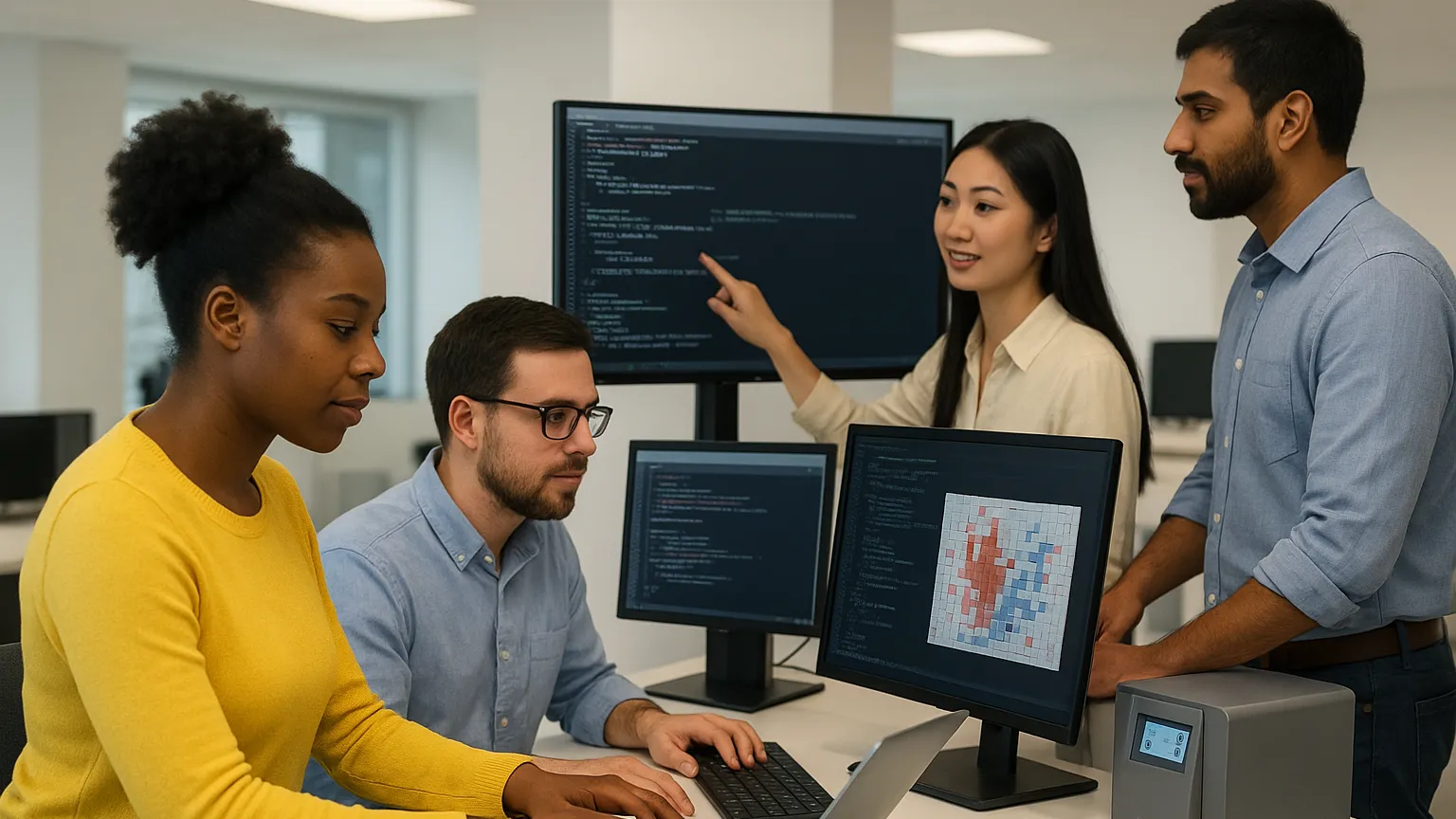
Integrate scRNA-seq and Visium in scverse
Learn how to map Visium spatial data to a reference scRNA-seq using scverse: transfer cell-type labels and visualize spatial cell states.
-
This weeks top spatial transcriptomics paper – Week 21 🧬
Cellist enables accurate, scalable cell segmentation and single-cell analysis across spatial transcriptomics by integrating imaging and gene expression.
-
Cell-Cell Communication in scRNA-seq
CellPhoneDB links cell types in scRNA-seq via receptor-ligand interactions, turning clustering into interpretable signaling insights.