
-
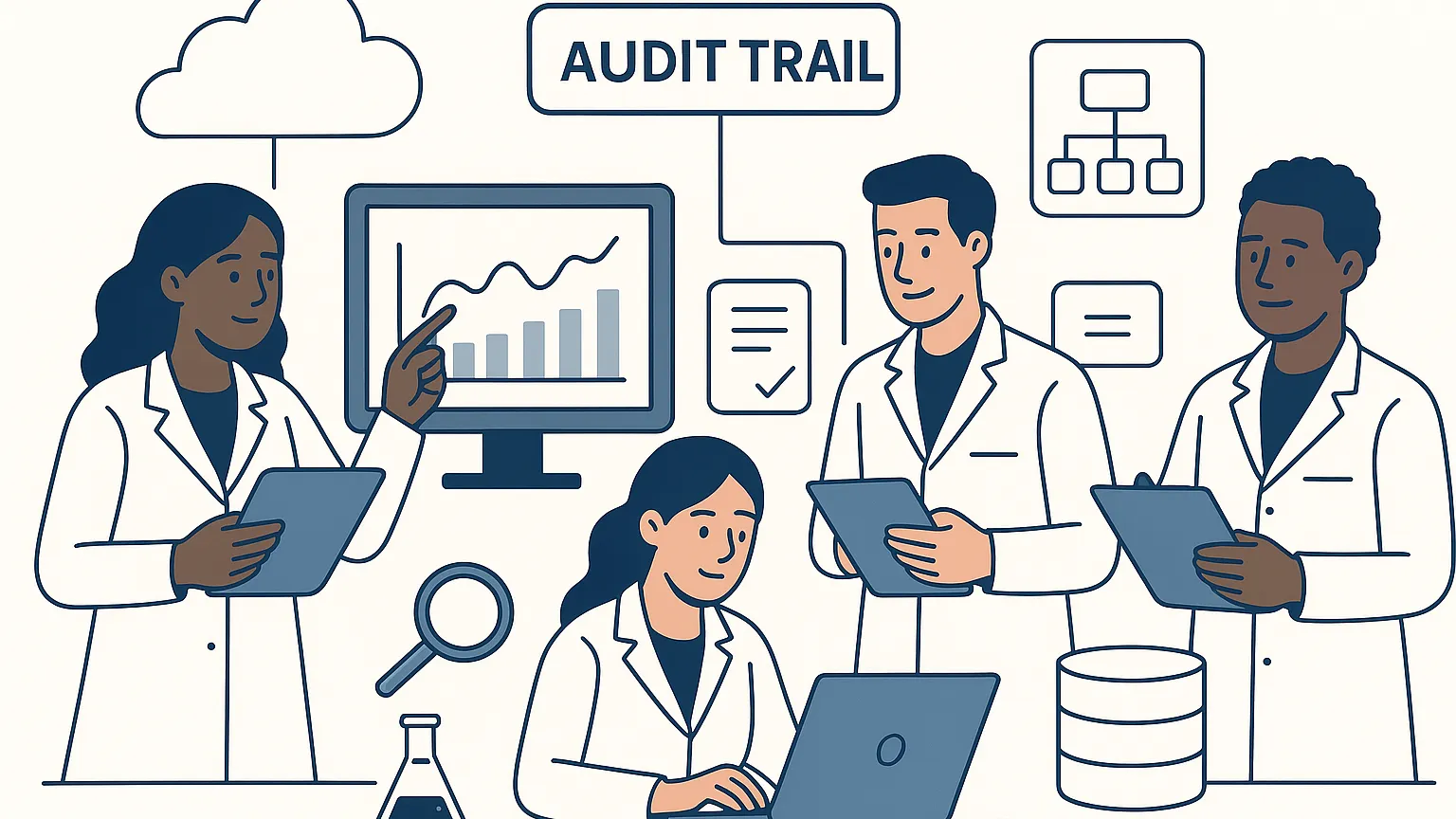
Digital Lab Audit Trail: What It Is and Why It Matters
Discover how digital lab audit trails and data lineage ensure data integrity, traceability, and compliant, trustworthy lab results.
-

Protein Design After Structure Prediction Using Generative Models
Generative models are transforming protein design, turning diffusion-based backbones and language priors into programmable, fast design pipelines.
-
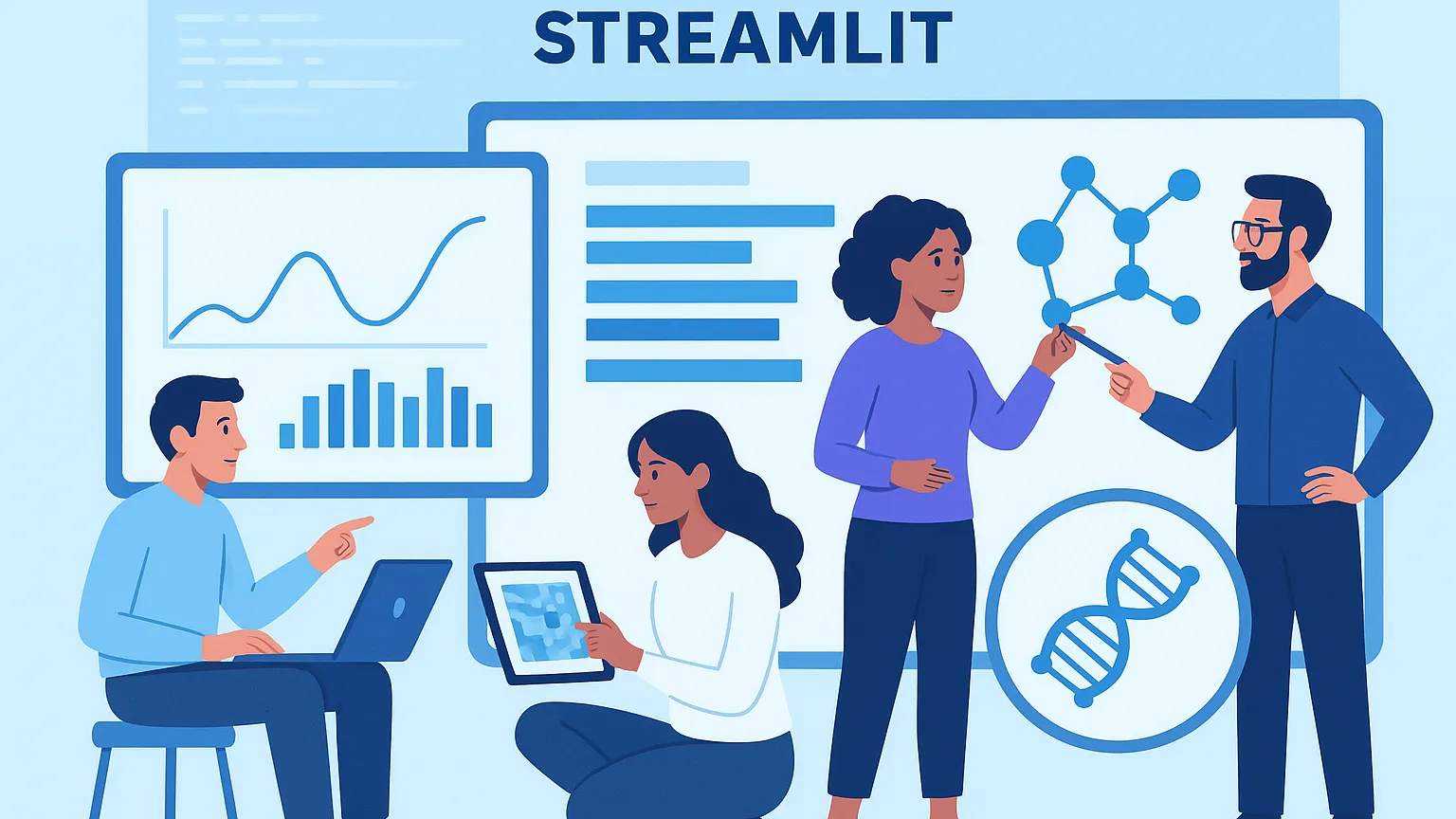
Scanpy scRNA-seq QC Tutorial
Learn how to perform basic scRNA-seq QC with Scanpy. This guide covers QC metrics like total counts, detected genes, and mitochondrial…
-

This week’s top spatial transcriptomics papers 🧬 Week 18
Spatial transcriptomics reveals a B cell–rich DKD endotype and an IBD atlas, guiding precision medicine via spatial immune profiling.
-

Reference Genomes Are Not Enough: Graph Genomics
Graph genomics and pangenomes reduce reference bias, boosting variant calling accuracy across populations and improving detection of complex variants.
-
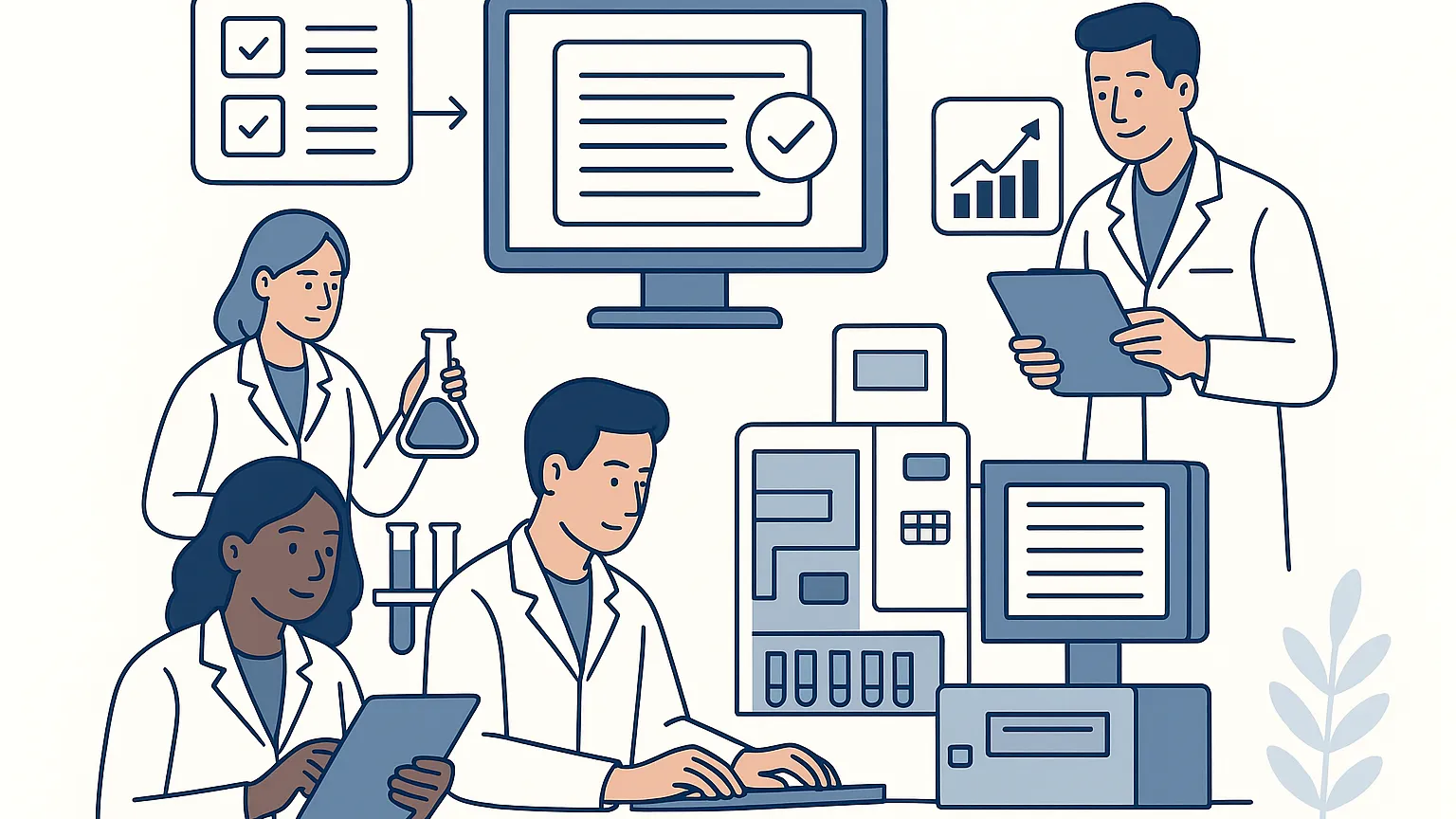
Batch Records in R&D: Automation and Tech Transfer
Electronic Batch Records link Automation, Traceability, and Tech Transfer in R&D labs, turning experimental steps into auditable, repeatable processes.
-
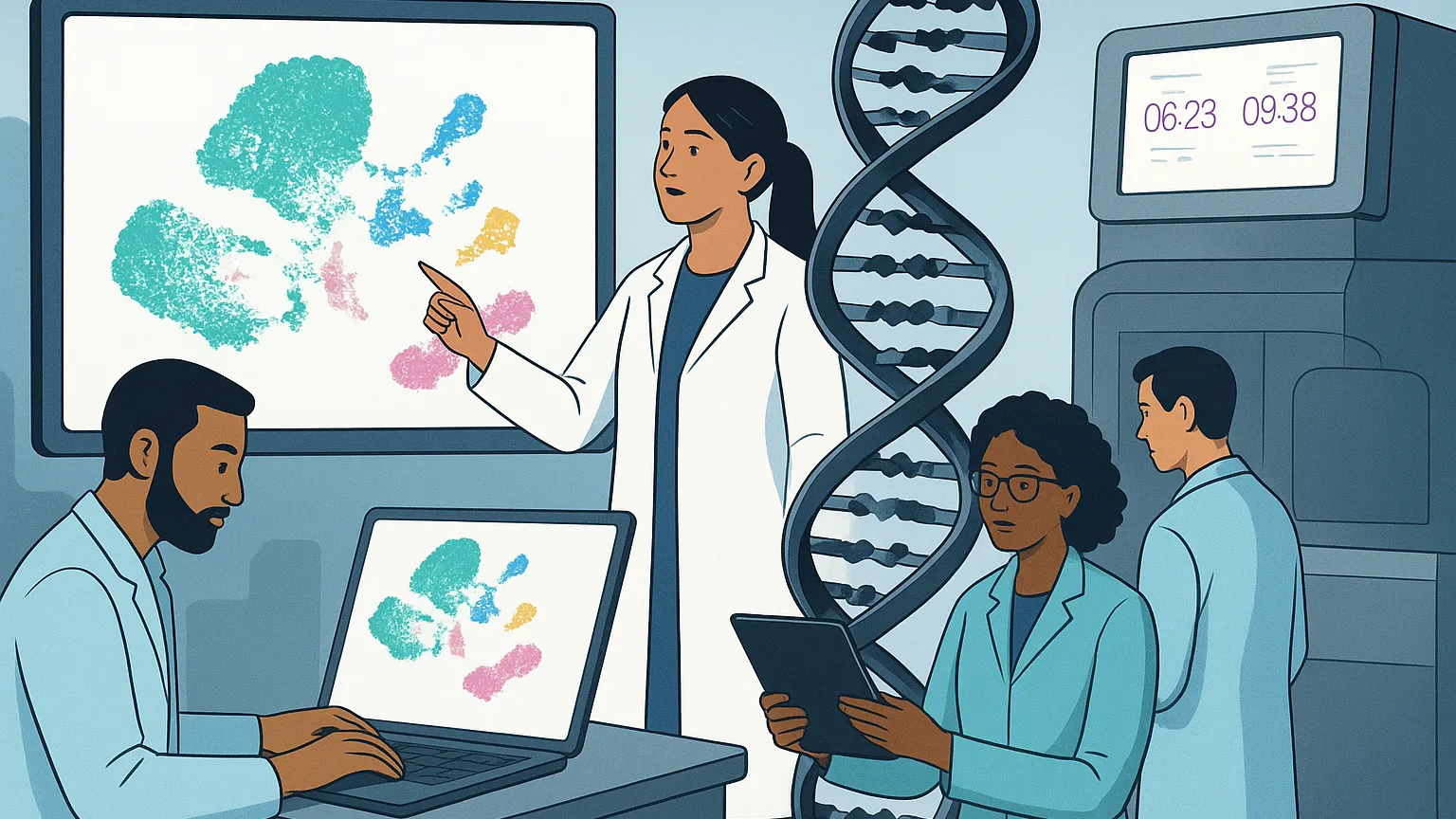
Multimodal Cell Atlases for Biology Foundation Models 2026
2026 could be the tipping point for biology foundation models as multimodal cell atlases unite spatial context with multi-omics.
-
This weeks top spatial transcriptomics paper Week 17
Mechanical load suppresses heart cancer; spatial transcriptomics link chromatin remodeling and Nesprin-2 as a key mechanosensor for therapy.
-

Protein Structure Prediction: Turning Models into Decisions
AlphaFold-style models transformed biology, enabling faster, decision-useful design in drug discovery through calibrated confidence metrics.
-

Lab Data Contracts: Interop for Instruments & Analytics
Lab Data Contracts improve interoperability across lab tools, boost metadata quality at the source, and streamline analytics pipelines.