
-
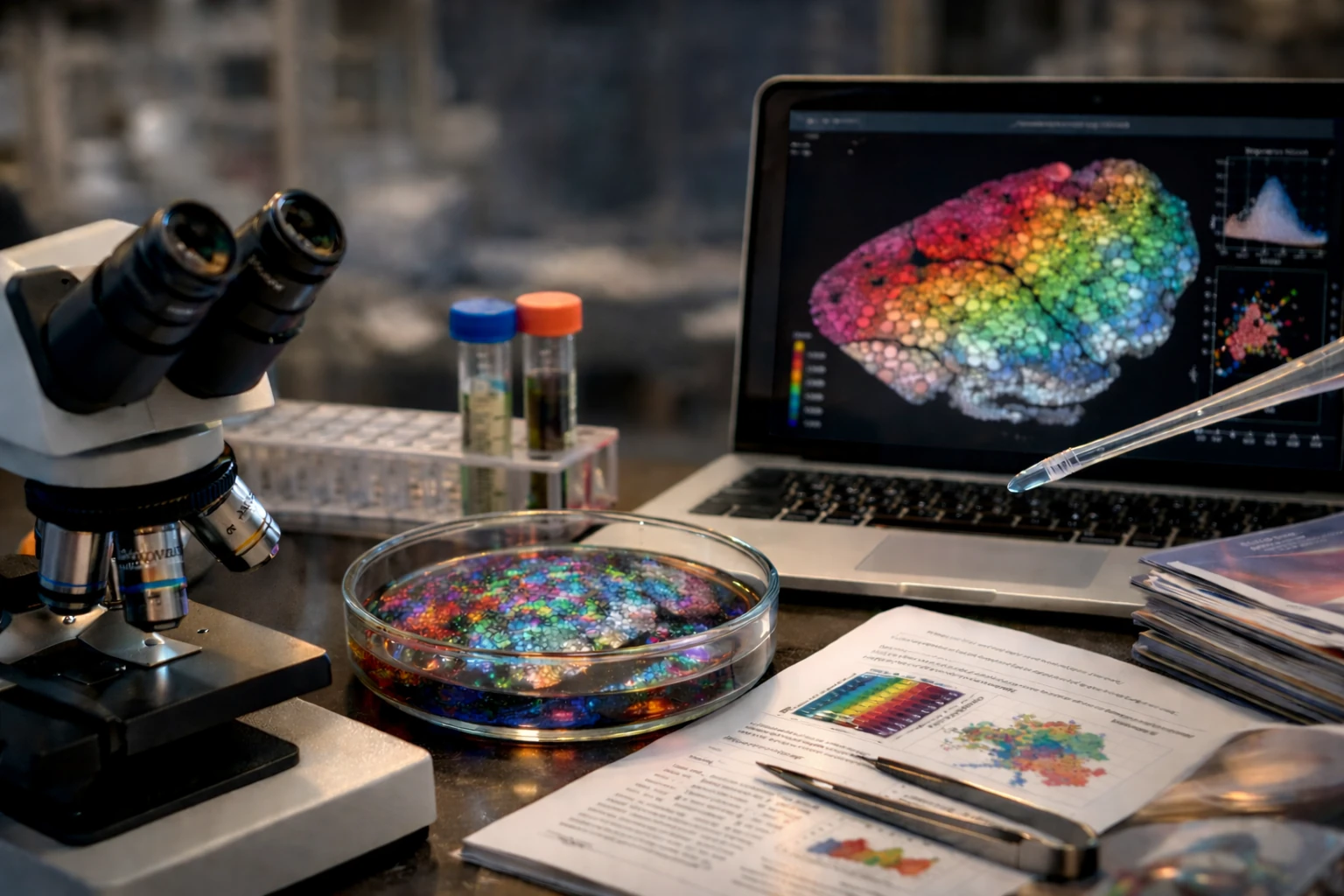
This weeks top spatial transcriptomics paper Week 28 🧬
Spatial transcriptomics reveals AI-enabled biomarkers and activity-driven synapse changes across neuroscience and cancer, guiding precision medicine.
-
Foundation Models for Cell Biology: An Overview
Foundation models for cell biology unlock fast, cross-dataset insights from massive single-cell data, enabling rapid annotation and perturbation ideas.
-

Digital Twin Models for the Laboratory: Turning HPLC Data into Digital Products
A Laboratory Digital Twin learns from rich analytical records—especially from HPLC—and becomes a digital product that optimizes methods and shortens development…
-
Imaging-Based Spatial Transcriptomics: Preprocessing and QC
This guide on imaging-based spatial transcriptomics preprocessing and QC explains how resolution and tissue morphology impact data quality.
-
SBX: Fast, flexible sequencing by expansion
SBX is Roche’s fast single-molecule sequencing method that expands DNA into a longer surrogate, enabling rapid end-to-end genome analysis.
-
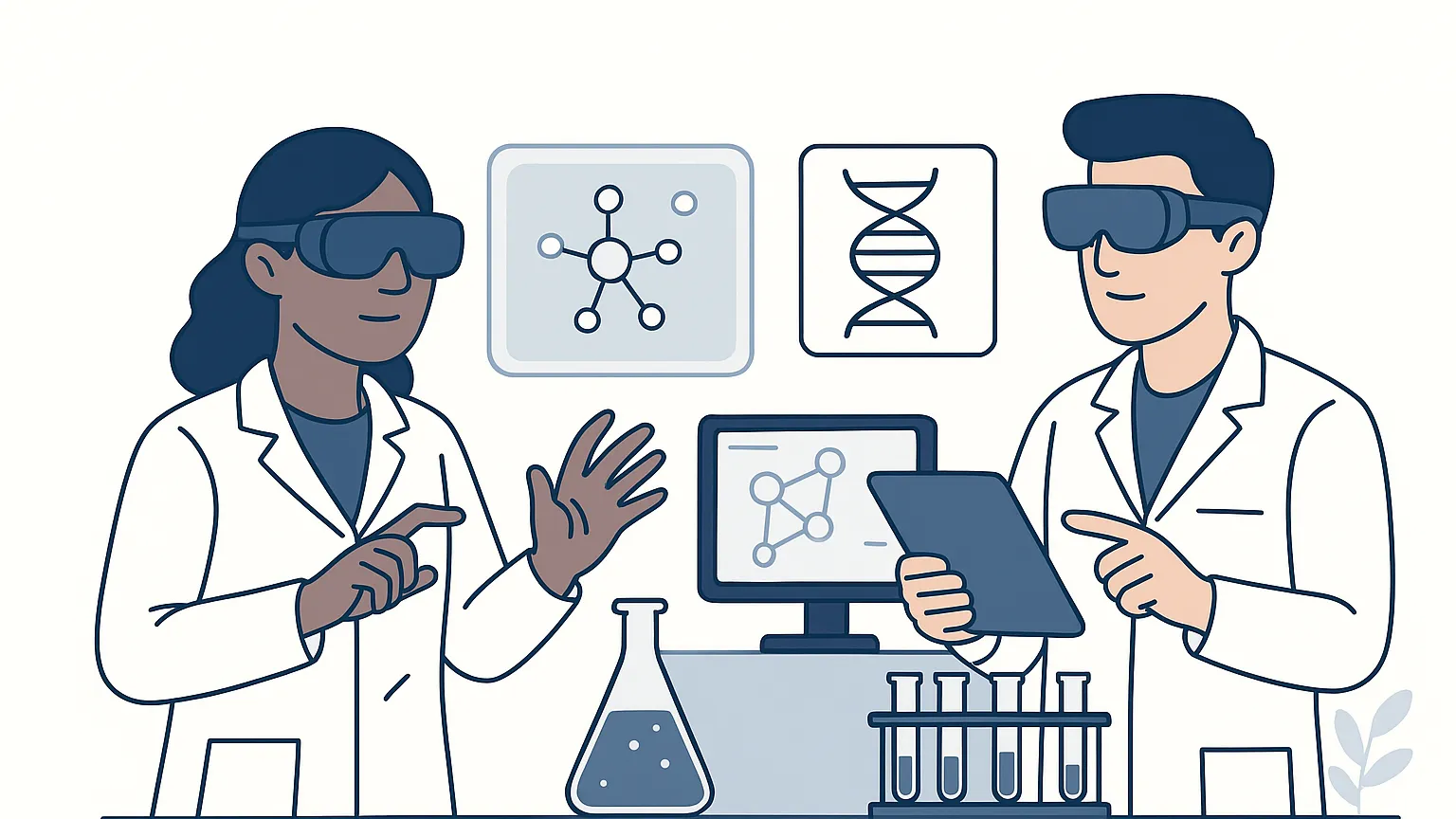
Augmented reality for the digital lab
By EVOBYTE Your partner for the digital lab Augmented Reality places digital information into a worker’s field of view while they…
-
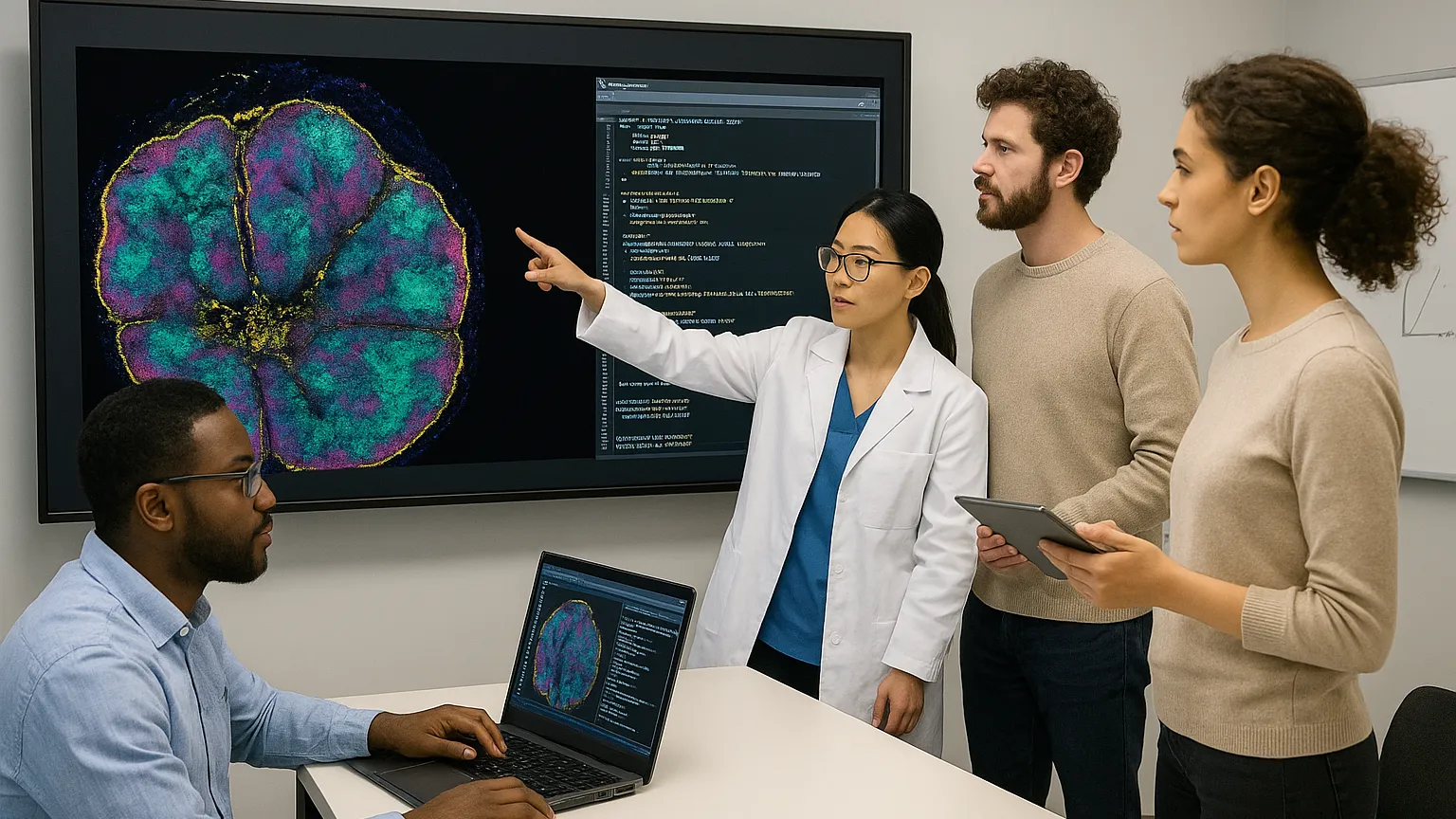
Seq-Based Spatial Transcriptomics: Platforms & Analysis
Discover sequencing-based spatial transcriptomics: Visium vs Curio Seeker, and how to start your first analysis.
-
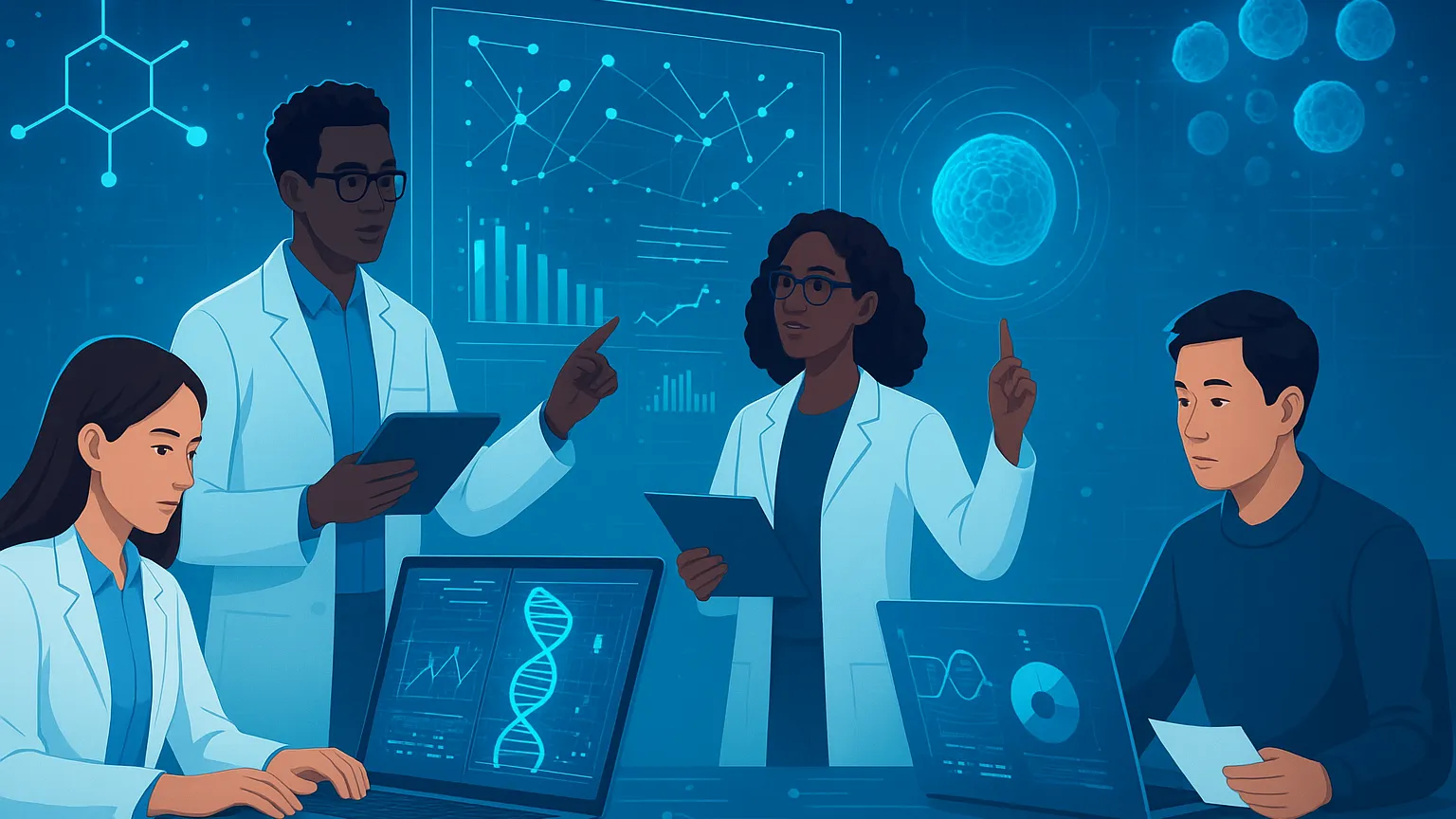
Agent Tools for Biological Discovery: AI data analysis
Discover how AI agents analyze biological data, guard statistics, and harmonize ontologies to accelerate reproducible insights.
-
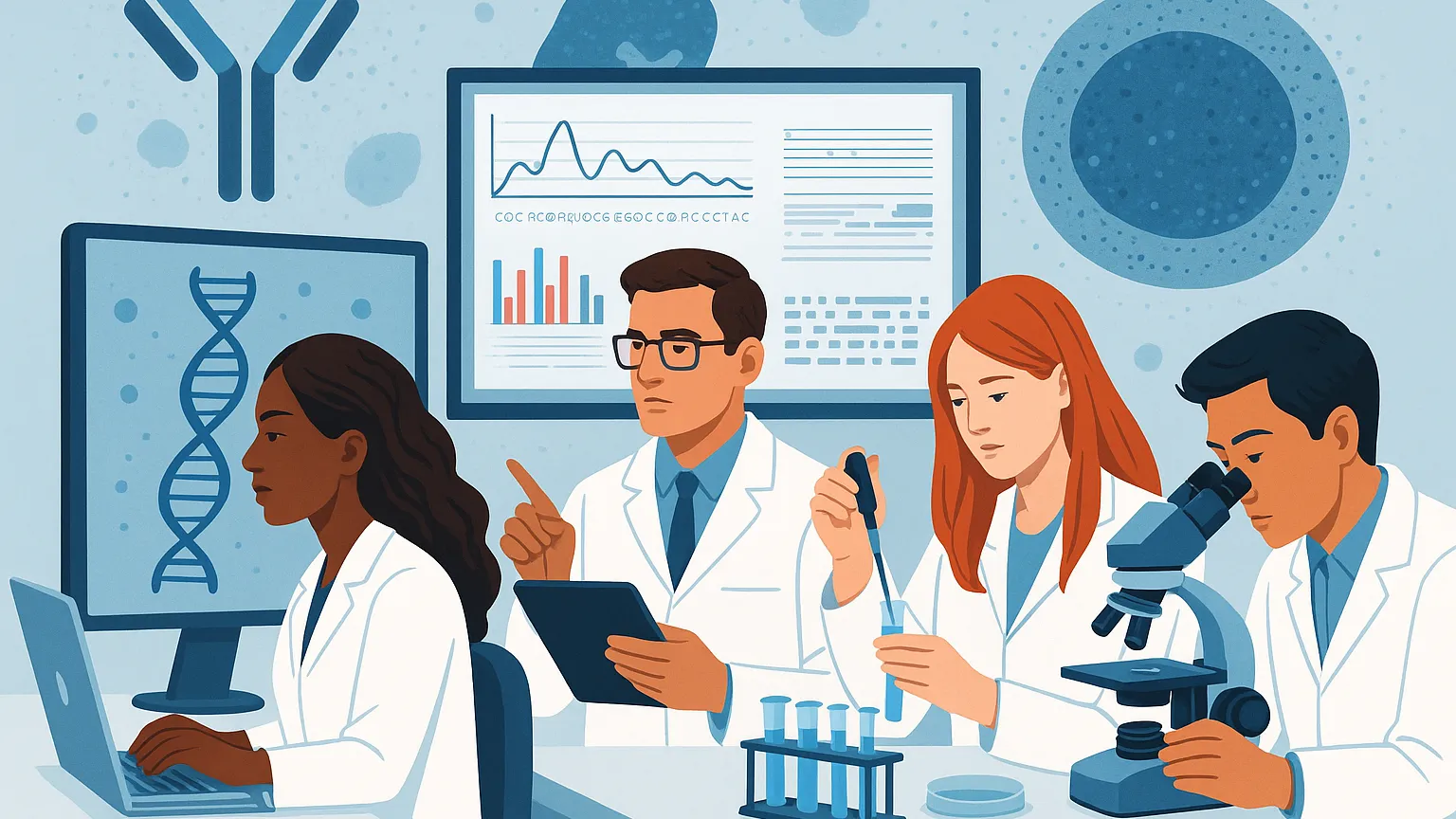
Immunoreceptor sequencing: BCR/TCR clones and protection
Immunoreceptor sequencing (AIRR-seq) profiles BCRs and TCRs to reveal antigens that drive vaccine protection and guide design.
-
Single-Cell Genomics: Human Cell Atlas & CELLxGENE
Explore open single-cell data with the Human Cell Atlas and CZ CELLxGENE Discover. Learn how to access, filter, and export harmonized…