
-
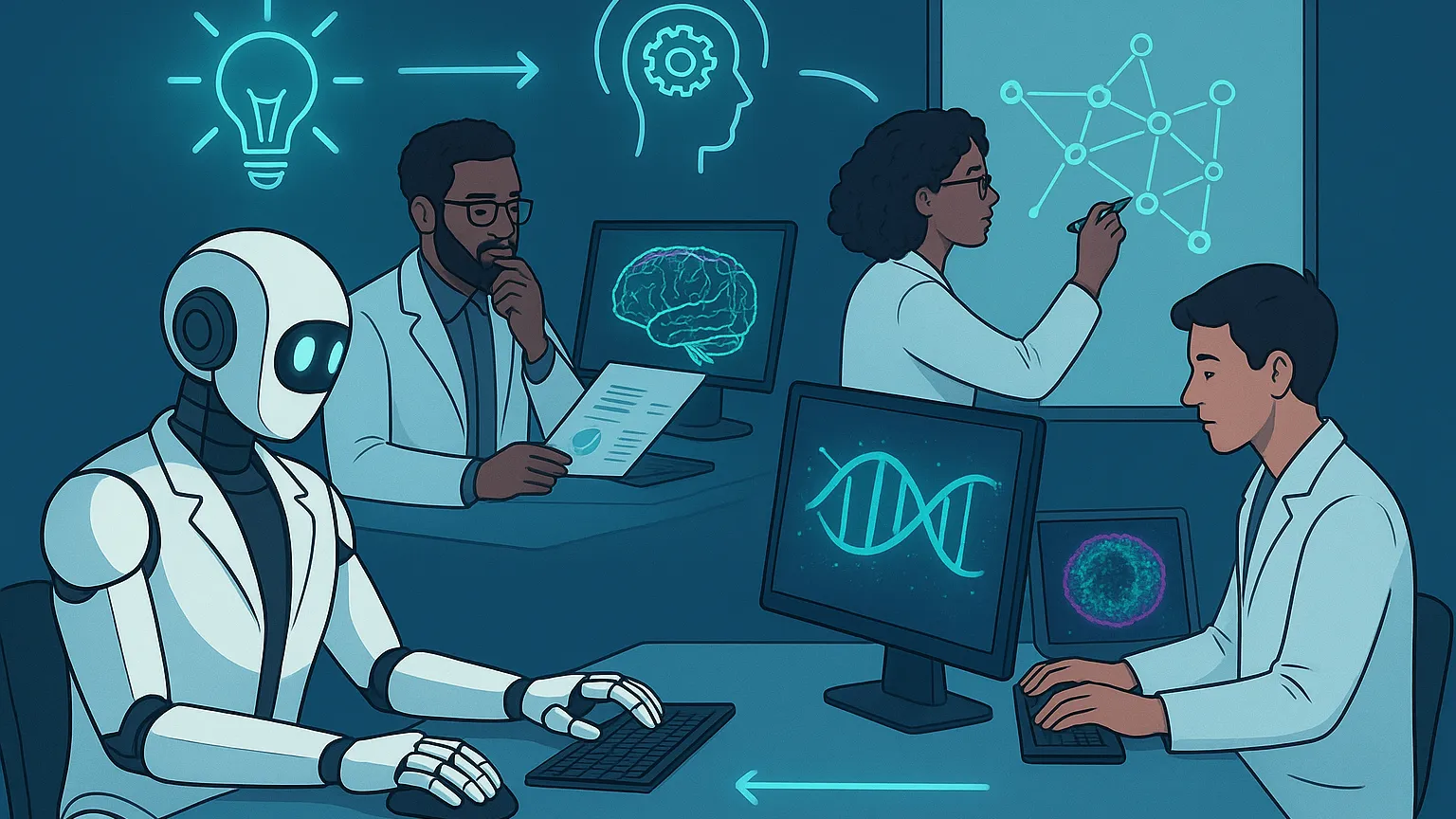
From Prompt to Paper: AI Scientist in‑Silico Loops
An AI scientist speeds up ideation, experimentation, and drafting in in-silico research loops, with self-reflection and responsible publishing.
-
This week’s top spatial transcriptomics papers 🧬 Week 51
Early-maturing interneurons with KCC2 expression reveal an evolutionarily conserved cortical circuit element shaping perinatal brain development.
-
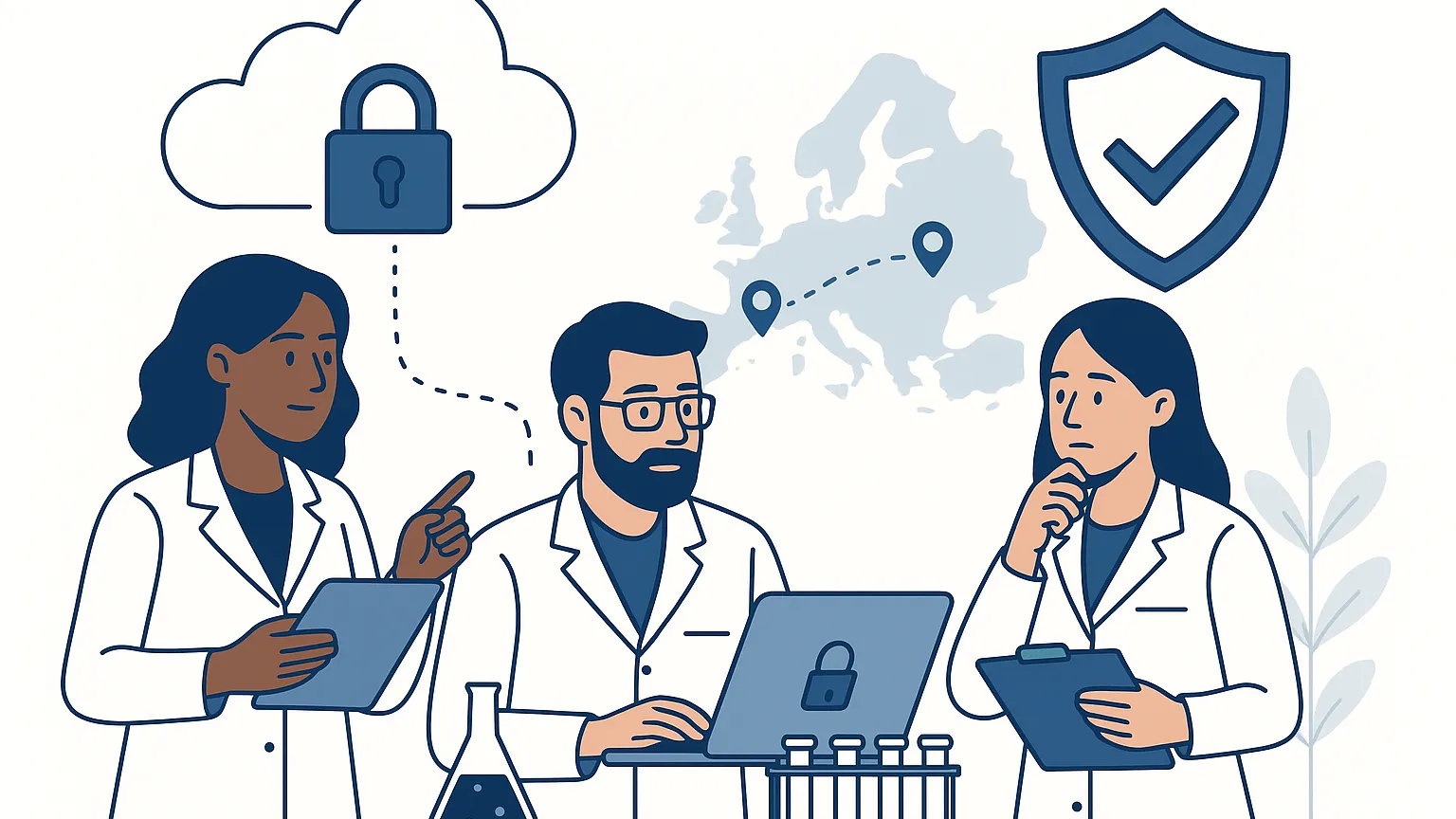
Data sovereignty in the digital lab: safe data storage
Data sovereignty matters in the digital lab: learn how to store data securely, meet EU standards, and choose storage architectures that…
-
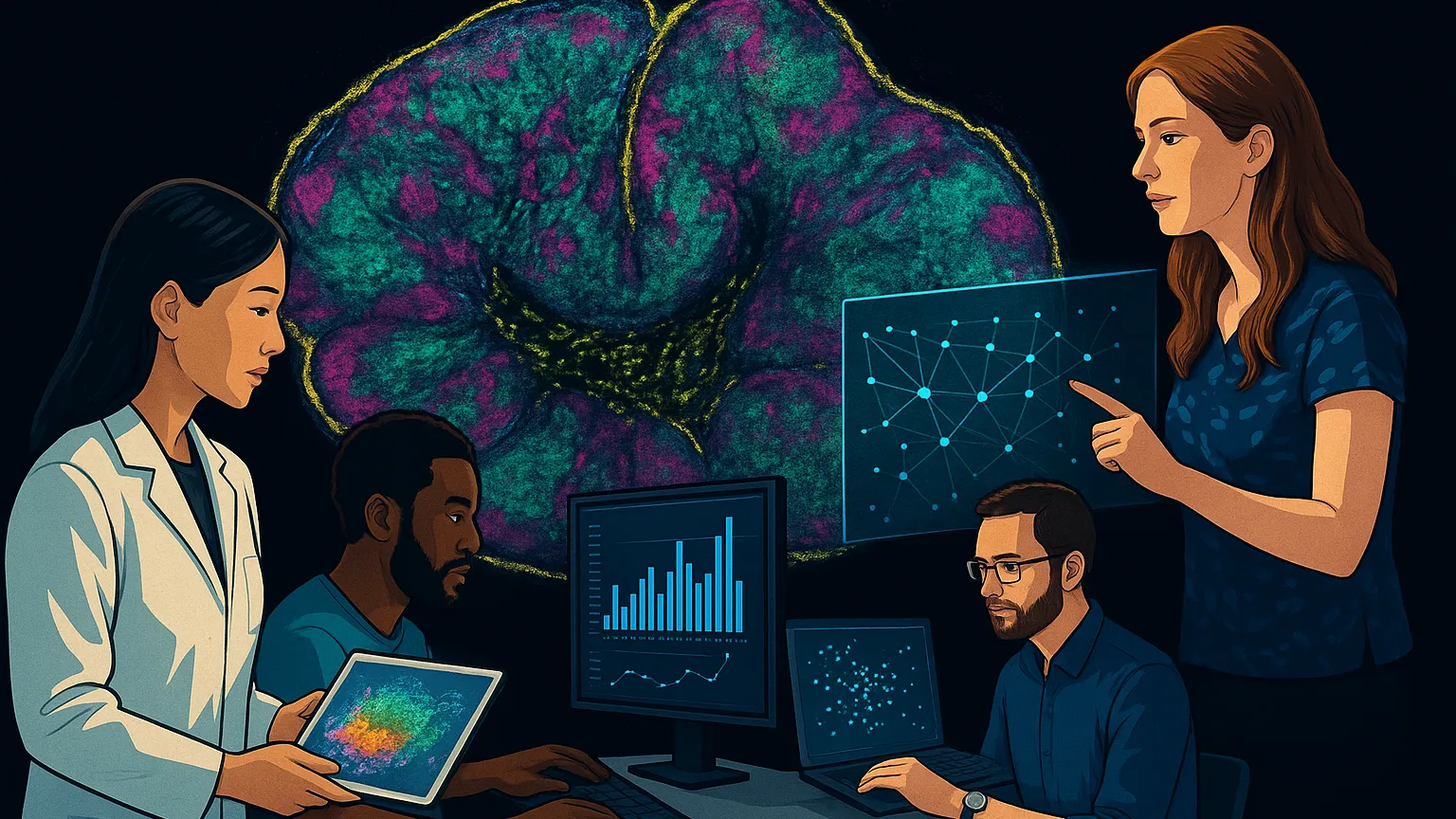
Spatial Transcriptomics Meets scRNA-seq: Seurat & Scanpy
Learn to integrate spatial transcriptomics with scRNA-seq using Seurat and Scanpy for richer tissue maps.
-
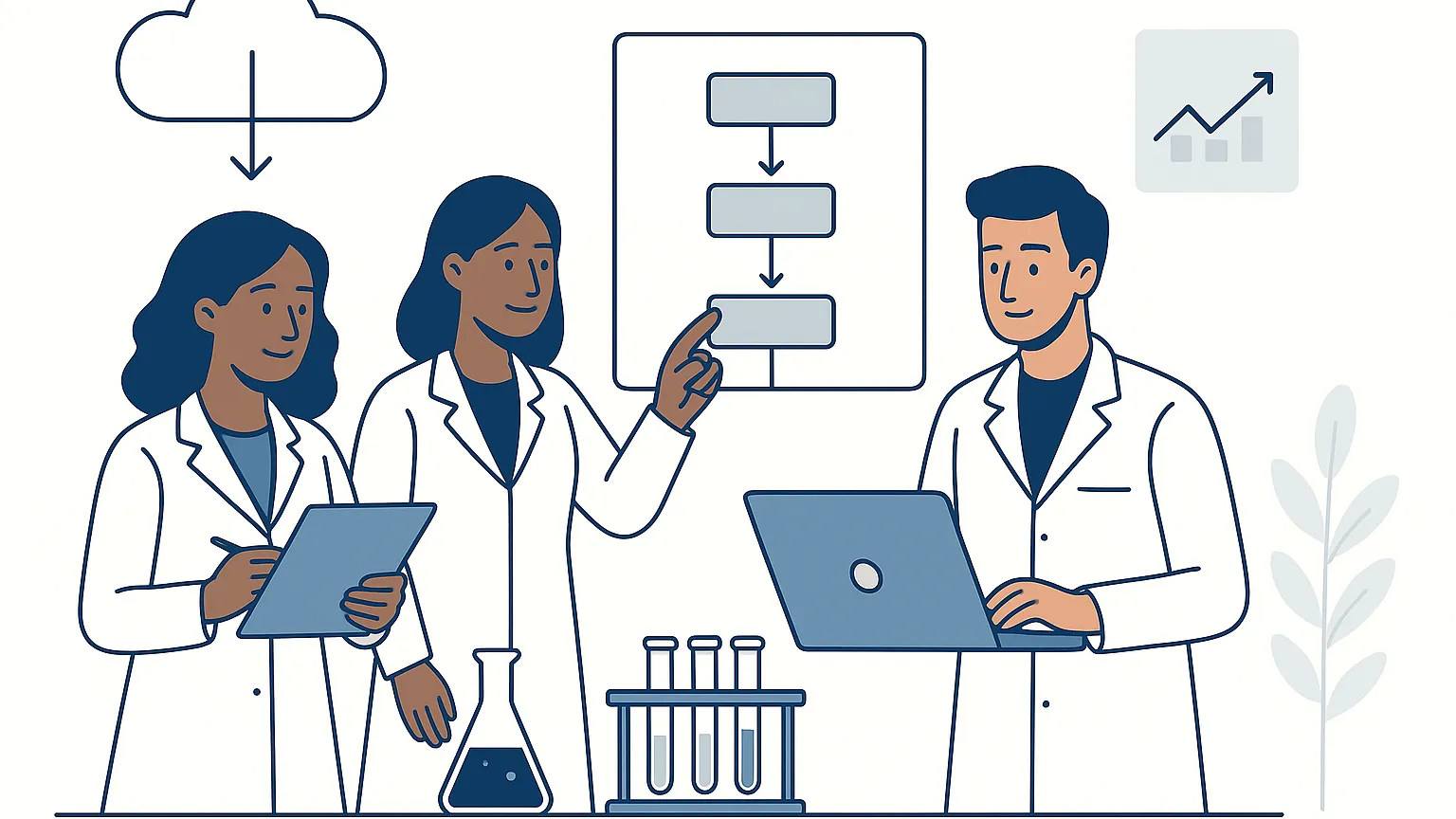
Digital lab essentials: Audit trails and data lineage
Trust in modern digital labs comes from transparent records: audit trails show who did what, when, and why, while data lineage…
-
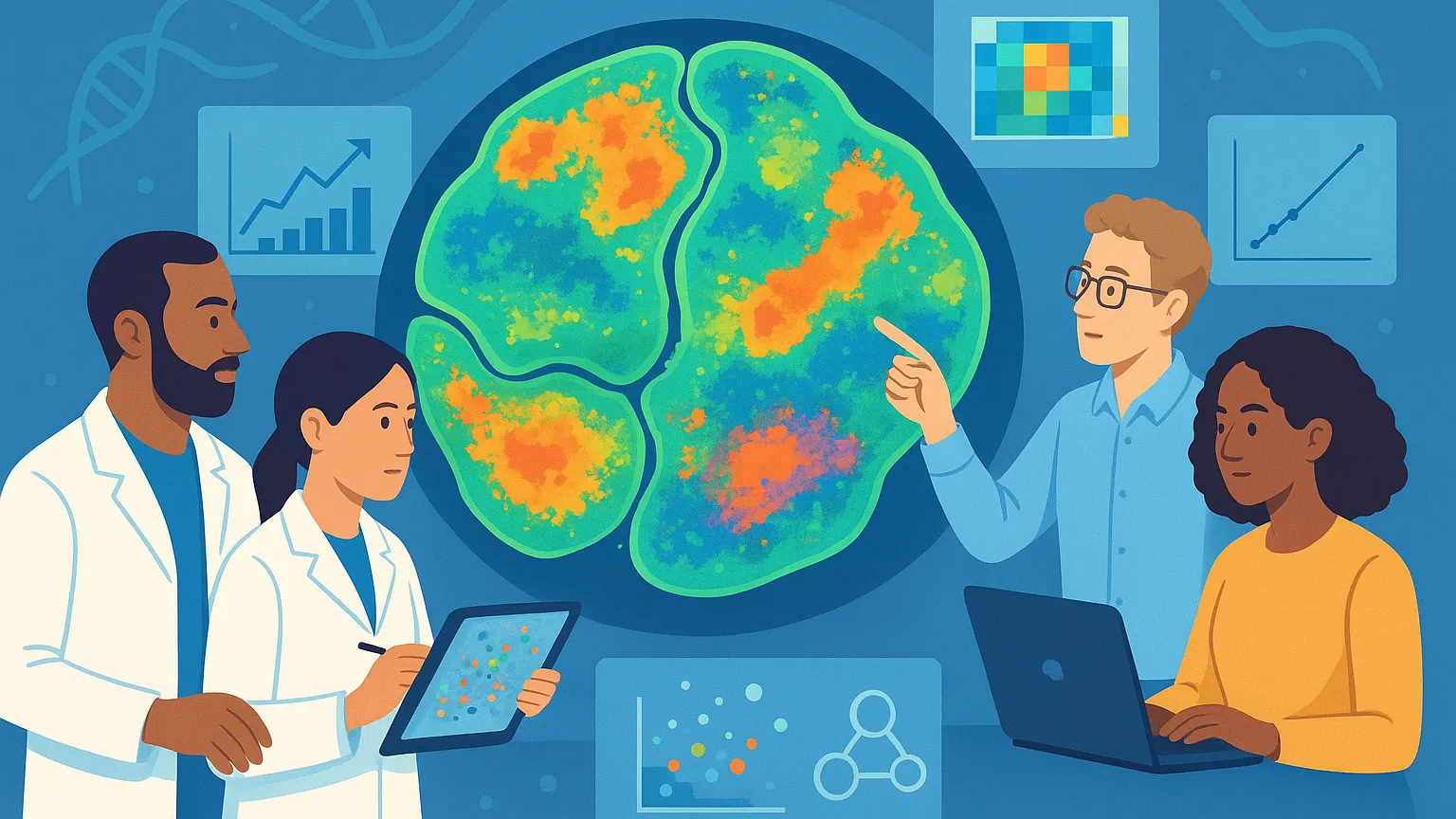
Spatial transcriptomics: practical intro for data scientists
Spatial transcriptomics links gene expression to tissue architecture, highlighting SVGs and cellular neighborhoods for data scientists.
-
Quality Criteria for Laboratory Databases: A Primer
Quality metrics, governance, and security criteria for trusted laboratory databases in the digital lab.
-
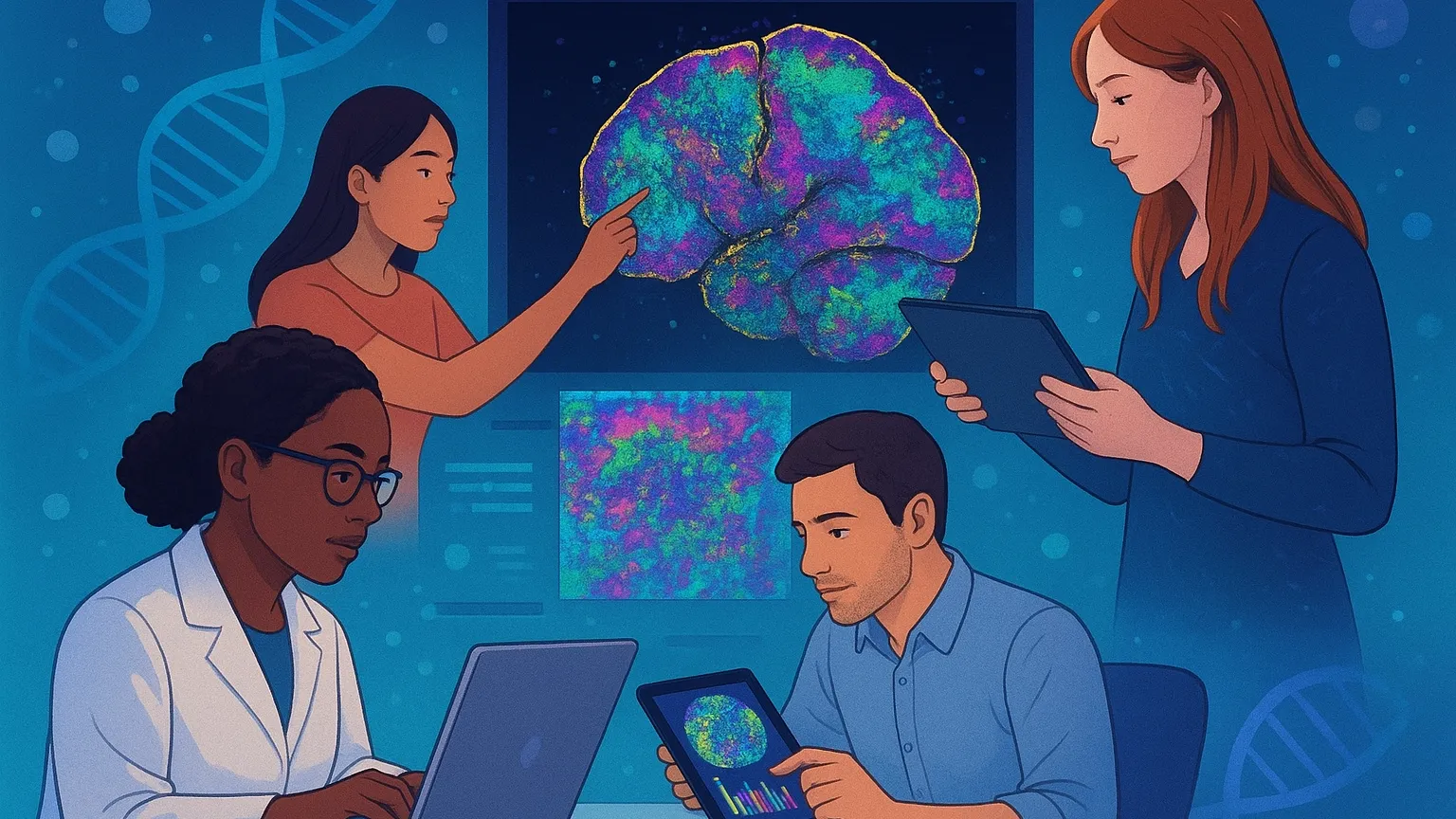
Best Free Spatial Omics Datasets: IHC, WSIs & Multi-Omics
Open spatial omics datasets for benchmarking: HuBMAP, SODB, METASPACE, GDC, and HPA—covering IHC, WSIs, and multi-omics.
-
AI-powered lab reports: turning results into conversations
In a Digital Lab, turn static PDFs into living conversations with an AI Assistant that explains terms and speeds customer support.
-
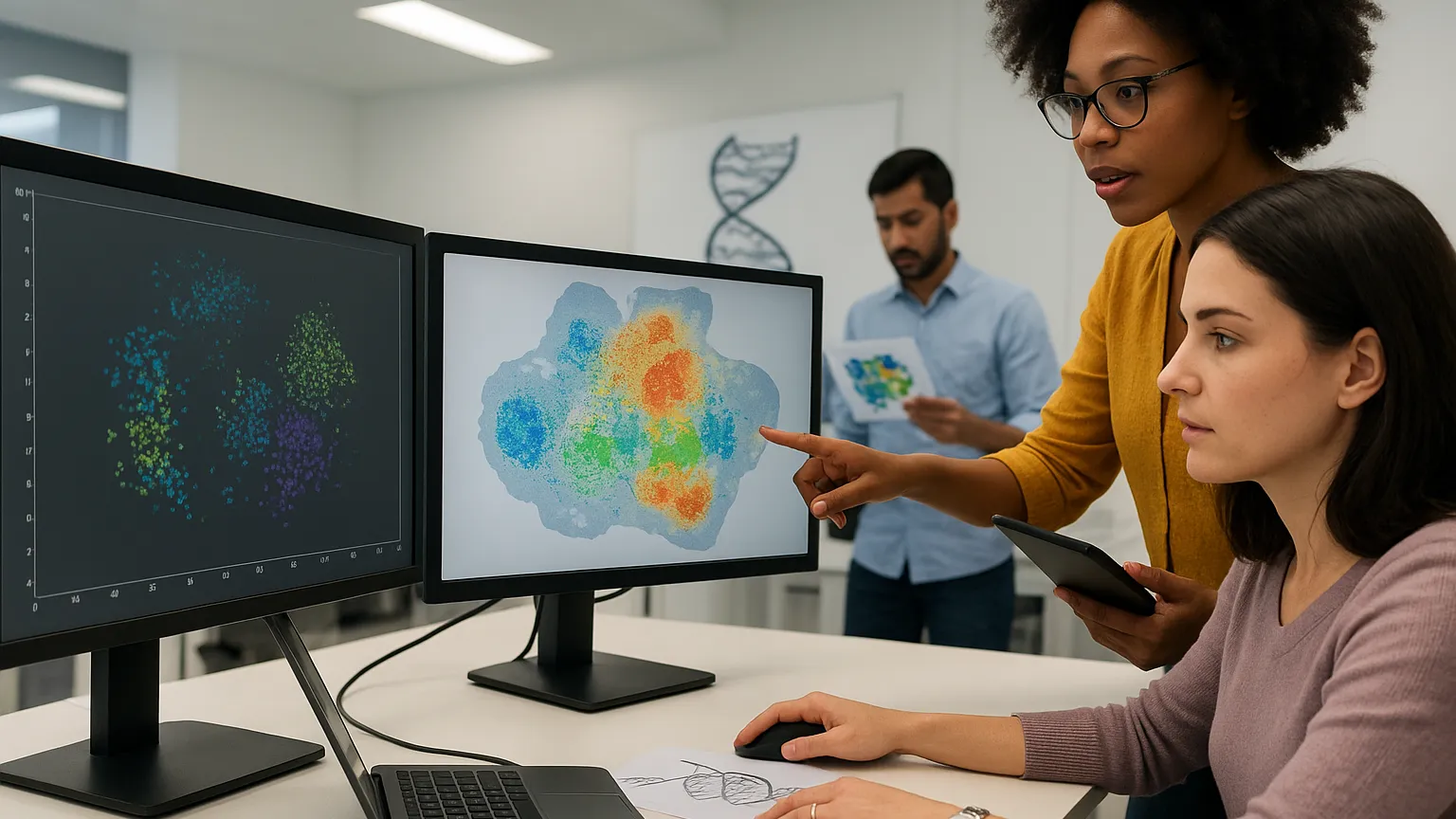
Spatial Transcriptomics: Assigning Cell Types in Tissue
Spatial Transcriptomics often mixes signals from neighboring cells. Learn to assign cell types and regions using deconvolution and reference maps.